
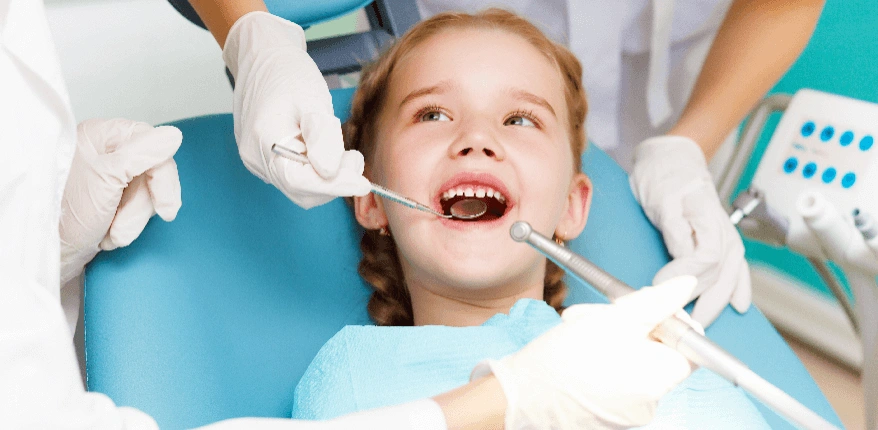
Oral and Dental Health
The Oral and Dental Health Clinic within our hospital is designed in compliance with the highest quality standards, equipped with the latest technological devices and materials, and staffed with a team of highly qualified specialist doctors. With a strong sense of dedication and dynamism, we aim to provide the most ideal oral and dental health services.
Our teeth play an active role in chewing, speaking, singing, and smiling. Losing teeth can make these functions more difficult. If you have lost one or more teeth, you are likely aware of their importance for your appearance and oral health. Fortunately, lost teeth can be replaced through various methods.
Discolorations and deformities in teeth can cause problems that may even lead to psychological discomfort. Thanks to advancements in esthetic and restorative dental materials, many shape, color, and position defects can now be easily resolved.
In this system, instead of metal, the substructure is made from white alloys such as zirconium or reinforced, compressed leucite particles. These state-of-the-art porcelain materials combine esthetics and durability. The main advantage of this system is its high resistance, providing a perfectly natural appearance in both anterior and posterior bridge restorations.
Porcelain Inlay-Onlay Treatment
This method is used to restore substance loss in teeth caused by decay, wear, fracture, or structural defects. Instead of standard fillings, more durable and esthetic porcelain materials are used to repair the damage.
Porcelain Laminate Veneer Treatment
Laminate veneers are thin porcelain layers applied to the front surfaces of anterior teeth with esthetic concerns. Their strong structure and color stability give teeth a natural beauty and function. Made from durable porcelain, these veneers are highly resistant to breakage.
Laminate veneers can treat the following conditions:
- Advanced discoloration (due to antibiotics, fluoride stains, hereditary issues) when whitening treatments are ineffective
- Closing gaps between teeth (diastema closure)
- Restoration of broken or worn teeth
- Replacement of old, discolored fillings
- Correction of misaligned or crooked teeth as a near-perfect cosmetic alternative for patients who do not prefer orthodontic treatment
Metal-Supported Full Porcelain Treatment
In this method, the substructure is made of metal, over which porcelain is layered to create the restoration.
Dental Implant Treatment
Today, dental implants are undoubtedly the best alternative to natural teeth. Compared to traditional bridges and dentures, implants provide better chewing and speaking functions while maintaining a natural facial appearance.
An implant is an artificial tooth root made from biocompatible material, placed into the jawbone to restore function and esthetics. Whether replacing a single tooth or multiple teeth, implant treatment is an option if there is adequate bone height and width. Bone quality and healthy gums are essential for implant success. There is no upper age limit for the procedure, but it is generally not preferred for very young patients whose jaw development is incomplete.
Teeth Whitening (Bleaching)
Bleaching is a practical and harmless method for removing stains and discoloration from tooth enamel and dentin.
Procedure in our clinic:
- A whitening agent is applied to the tooth surface by an experienced dentist.
- A blue/green light source is applied for a certain time.
- Results are visible immediately after the procedure.
Laser Applications In Dentistry
Lasers are used for both hard and soft tissue treatments, including:
- Cleaning dental caries
- Root canal treatments and fillings
- Surgical procedures on the jawbone and gums
- Gum reshaping
- Esthetic treatments
- Tooth sensitivity reduction
- Whitening dark-colored gums
- Teeth whitening
- Cold sore and aphthous ulcer treatments
In implant treatments, lasers simplify surgical stages and save time. The lack of vibration and reduced need for anesthesia in small interventions make lasers ideal for patients with dental anxiety, including children.
Bruxism
Bruxism is the involuntary clenching or grinding of teeth, often occurring during sleep but sometimes also during the day. Causes include stress, anxiety, anger, sleep disorders, or dental issues. Symptoms may include tooth wear, jaw pain, headaches, temporomandibular joint discomfort, insomnia, and tooth sensitivity. Treatment options include stress management, relaxation techniques, mouth guards (night guards), dental corrections, and sometimes medication or physical therapy.
Bruxism Treatment: Masseter Botox
Botulinum toxin (Botox) is injected into the masseter muscle to temporarily block its overactivity. This reduces excessive force on the teeth, alleviating bruxism symptoms.
Fixed Prosthetic Treatment
Fixed prosthetics are used to replace missing teeth, restore function, and improve appearance. They also address esthetic concerns caused by shape and color defects.
Removable Prosthetic Treatment
Removable prosthetics are used when multiple teeth are missing, helping restore chewing, speaking, and smiling functions. They can also resolve psychological and esthetic issues caused by tooth loss.