
Plastic, Reconstructive and Aesthetic Surgery
The Department of Plastic and Reconstructive Surgery works to restore the form and function of any part of the human body that has been deformed due to accidents, illnesses, or congenital anomalies. In aesthetic surgery, although the rules may vary from patient to patient, our hospital emphasizes accurate identification of the problem and providing a solution accordingly.
Congenital Defects And Deformities
- Cleft lip and palate
- Deformities of the fingers and toes
- Ear abnormalities
- Facial and nasal clefts and deformities
- Eyelid abnormalities
Deformities Arising During Development
- Jawbone deformities
- Skull deformities caused by abnormal cranial bone development
Visible Defects Caused By Accidents And Injuries
- Facial and jaw fractures
- Facial injuries
- Visible injuries involving skin and tissue loss in exposed parts of the body
- Burns
Tumors Of The Head, Neck, And Exposed Areas
Tumors in the head and neck region that, when removed, may cause visible defects, as well as tumors of the skin and soft tissue that may leave scars, can be treated in our department to restore a near-normal appearance and function.
Techniques Used In Plastic And Reconstructive Surgery
- Maxillofacial and Craniofacial Surgery: Corrective procedures performed by separating the connection of facial and cranial bones from the head.
- Microsurgery: A technique that connects small arteries and veins to transfer tissues to distant areas or to reattach severed limbs.
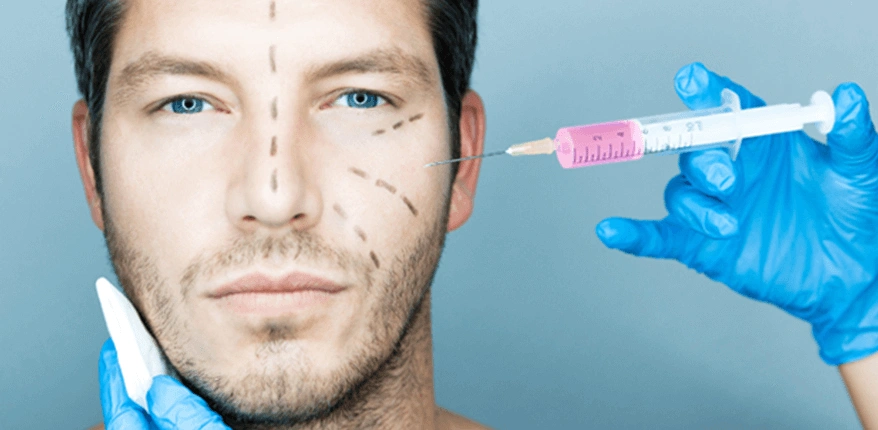
- Tissue Injections: Also known as scar-free correction procedures, where body tissues are refined to injectable form and then injected into hollow or deficient areas using syringes and special needles without making an incision. These injections are effectively performed in our hospital.