
Gastroenterology
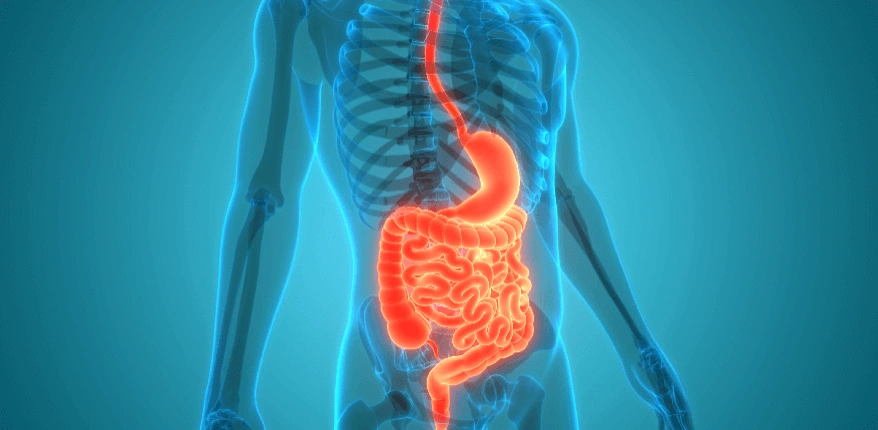
Gastroenterology is a branch of medicine that aims to prevent disorders of the digestive system (esophagus, stomach, small intestine, large intestine, gallbladder, pancreas) and liver before they occur, and to diagnose and treat them after they have developed. A specialist physician in this field is called a gastroenterologist. Gastroenterology specialists first complete a residency in Internal Medicine, followed by subspecialty training in gastroenterology.
At the Emsey Hospital Gastroenterology Clinic, specialized physicians and competent healthcare professionals work to ensure accurate diagnosis and to plan the most effective treatment based on scientific evidence. The center is also equipped with modern technological devices and infrastructure to perform interventional procedures in the least invasive manner possible.
Treatments and Procedures Performed in the Gastroenterology Department:
- Diagnosis and treatment of esophageal diseases
- Diagnosis and treatment of stomach and intestinal diseases
- Diagnosis and treatment of gallbladder and biliary tract diseases
- Diagnosis and treatment of liver diseases (hepatitis, cirrhosis, etc.)
- Diagnosis and treatment of pancreatic diseases
- Gastroscopy, colonoscopy, rectoscopy (endoscopic procedures)
- Removal of polyps without surgery (polypectomy, mucosal resection)
- Dilation of esophageal and gastric strictures using balloon or bougie methods
- Band ligation treatment for esophageal varices
- Treatment of bleeding ulcers with sclerotherapy, argon plasma coagulation, and clipping
- Placement of stents in the esophagus, stomach, or colon for nutrition or to prevent obstruction in esophageal, gastric, and colorectal cancers
- Diagnostic imaging of the bile ducts and pancreatic ducts via ERCP
- Removal of stones from the bile ducts via ERCP (non-surgical)
- Placement of stents in biliary strictures via ERCP
- Placement of feeding tubes into the stomach using endoscopic (non-surgical) methods
- 24-hour pH monitoring for the diagnosis of reflux
- Capsule endoscopy
- Endoscopic ultrasonography (EUS)
- Gastric balloon application in obese patients who fail to lose weight with diet alone
Endoscopy is a general term for the examination of hollow organs such as the stomach, intestines, lungs, and bladder, as well as the bile ducts and pancreatic ducts, using an illuminated, camera-equipped instrument. The diagnostic accuracy of endoscopic procedures is over 90%.
Gastroscopy (Esophagogastroduodenoscopy) is a type of endoscopy used to examine the esophagus, stomach, and duodenum with an illuminated, camera-equipped instrument, allowing for biopsy or therapeutic procedures if necessary.
Indications for Gastroscopy:
- Anyone over 45 years old with stomach complaints
- Patients under 45 with stomach complaints and alarm symptoms such as nausea, vomiting, weight loss
- Patients whose complaints persist despite medication
- Patients with upper gastrointestinal bleeding
- Suspicious findings on stomach X-ray
- Patients with a history of gastric cancer
- Unexplained abdominal pain
- Long-standing reflux symptoms, especially in patients over 50
- Patients with Barrett’s esophagus for follow-up purposes
- Patients with unexplained vitamin B12 deficiency
- Patients with unexplained iron deficiency anemia
- Patients with gastric ulcers requiring follow-up after 6–8 weeks
- Patients with cirrhosis
Colonoscopy is the examination of the large intestine and, if necessary, the terminal ileum, with an illuminated, camera-equipped instrument, with the option to perform biopsy or therapeutic procedures.
Indications for Colonoscopy:
- All individuals aged 50 and over for early detection of colorectal cancer (screening)
- Patients with suspicious findings on bowel imaging
- Patients with rectal bleeding or positive occult blood in stool
- Investigation of iron deficiency anemia
- Patients with a personal history of colorectal cancer or polyps
- Patients with low ferritin (iron stores)
- First-degree relatives of patients with colorectal cancer
- Follow-up of ulcerative colitis and Crohn’s disease
- Patients with suspicious medical history for bowel disease
- Patients with chronic diarrhea
ERCP (Endoscopic Retrograde Cholangiopancreatography) is a procedure in which a scope is inserted through the mouth to the opening of the bile duct in the duodenum, and specialized cannulas and catheters are passed through the endoscope to visualize the bile ducts, gallbladder, and pancreatic ducts for diagnosis and, if necessary, to perform therapeutic interventions such as removing stones or placing stents without surgery.
Indications For ERCP:
1. Diagnostic ERCP
a. Differential diagnosis of certain jaundice cases where the cause cannot be determined by laboratory and imaging methods
b. Cases where bile flow obstruction is detected but the cause cannot be determined with laboratory and imaging methods
c. Investigation of recurrent pancreatitis and pancreatic cysts of unknown cause
d. Diagnosis of bile duct and pancreatic cancers
2. Therapeutic ERCP
a. Treatment of bile duct stones
b. Placement of stents for malignant strictures due to cancer
c. Decompression of bile duct pressure in biliary fistulas
d. Treatment of pancreatic duct strictures
e. Placement of stents for benign biliary strictures when surgery is not immediately possible
24 - Hour pH Monitoring
This is the most valuable test for diagnosing reflux disease and can be performed using wired or wireless methods.
- Wired pH Monitoring:
After stopping all stomach medications 5 days prior, a very thin tube is inserted through the nose into the upper esophagus. One end is connected to a small recorder worn on the waist for 24 hours while the patient continues daily activities and normal diet. The recordings are later analyzed to detect acid reflux into the esophagus. - Wireless pH Monitoring:
After stopping stomach medications for 5 days, a small chip is placed endoscopically in the lower esophagus under sedation. The chip transmits data to a recorder worn on the waist for 24–48 hours. The chip naturally detaches within a few days and passes out with stool.
Esophageal Variceal Band Ligation
In patients with cirrhosis and esophageal varices, this procedure involves strangulating varices with elastic bands to prevent or treat bleeding. It is performed under sedation via endoscopy and may need to be repeated during follow-up if new varices develop.
Percutaneous Endoscopic Gastrostomy (PEG)
For patients unable to take nutrition orally, a feeding tube is placed into the stomach endoscopically without surgery, allowing direct delivery of appropriate nutrition or commercial feeding solutions.
Liver Biopsy
A diagnostic procedure performed when a definitive diagnosis cannot be reached through physical examination and laboratory tests, to stage disease or evaluate suspicious lesions. A 1–2 cm tissue sample is taken with a special needle, guided by ultrasound or CT, or performed at bedside.
Stent Placement for Strictures
Placement of expandable metallic or plastic stents in the esophagus, stomach, intestines, bile ducts, or pancreatic ducts to relieve obstruction caused by cancer or benign strictures, improving quality of life and supporting chemotherapy.
Balloon Dilation
Widening benign strictures in the esophagus, duodenal inlet/outlet, achalasia, certain cancers, and biliary strictures using balloons of various sizes.
Capsule Endoscopy
Used in patients with overt or occult gastrointestinal bleeding where gastroscopy and colonoscopy cannot identify the source. A capsule containing a miniature camera is swallowed, transmits images of the small intestine to an external recorder, and is later passed naturally in stool.
Gastric Balloon
In scientifically obese patients without hormonal causes who fail to lose weight despite diet and exercise, a fluid-filled balloon is placed in the stomach to promote satiety and assist in weight loss.
Double-Balloon Enteroscopy
Used to investigate unexplained gastrointestinal bleeding or abnormalities detected by capsule endoscopy, allowing examination of the small intestine using a double-balloon endoscopic system.
Polypectomy / Mucosal Resection
Endoscopic, non-surgical removal of polyps in the stomach or intestines that may be precancerous.
Endoscopic Ultrasonography (EUS)
For the evaluation of suspicious lesions in the digestive tract, gallbladder, or pancreas that cannot be diagnosed by biopsy, an ultrasound device attached to the tip of an endoscope is used to perform an internal ultrasound examination under sedation.