

Obesity Center
Preoperative Process for Obesity Surgery
What is Obesity Surgery? What is its purpose?
Obesity Surgery, also known as Weight Loss Surgery or Bariatric Surgery, is a general term for a group of surgical procedures aimed at helping obese patients lose weight. These surgical procedures are among the most effective treatments for preventing life-threatening complications of advanced obesity.
The human body records the high weight it reaches as “normal” at a certain stage and, in the event of weight loss, programs itself to return to that weight. Therefore, in people who have been obese for a long time, weight lost through diet and exercise cannot be maintained for long. At this point, Obesity Surgery changes the way the body manages nutrients, allowing the weight loss achieved through healthy eating and lifestyle changes to become permanent.

Who Is Eligible? Is Obesity Surgery a Suitable Option for Me?
The most important criterion used to determine whether a person is suitable for Obesity Surgery is the Body Mass Index (BMI), which is directly related to the body fat ratio. (BMI: weight (kg) / height² (m²)).
According to this criterion:
-
Patients with a BMI over 40 (class III obesity)
-
Patients with a BMI between 35–40 (class II obesity) who also have obesity-related comorbidities such as hypertension, type 2 diabetes, obstructive sleep apnea, heart disease, fatty liver, or osteoarthritis are suitable candidates for obesity surgery.
It is also required that these patients have not achieved sufficient results from other non-surgical treatments for obesity such as medication, diet, and exercise.
In obese adolescents under the age of 18, the criteria are more selective: in addition to a BMI over 40, the presence of at least one obesity-related complication is required for surgical eligibility.
On the other hand, certain conditions make obesity surgery inappropriate, such as pregnancy, substance abuse and heavy alcohol consumption, untreated eating disorders and other psychiatric/cognitive problems, or the presence of advanced cancer.
In addition, comprehensive specialist examinations and a range of laboratory and radiological tests — including detailed blood tests, ultrasonographic imaging, and gastroscopy — are required to ensure that the patient is physically and mentally fit for surgery.
In some cases, patients may be asked to follow a strict preoperative diet to make the surgery process safer and more comfortable. Proper adherence to this diet can also minimize postoperative adaptation issues.
Surgical Process
What Are the Methods Used in Obesity Surgery?
Although the techniques differ, all surgical procedures for obesity focus on altering the anatomy and function of the digestive system (usually the stomach and sometimes the small intestine).
Main Methods
Sleeve Gastrectomy
It is the most commonly performed and most popular bariatric surgery method due to its relatively simple technique and lower complication rates. In a Sleeve Gastrectomy procedure, about 80% of the stomach is removed, leaving a tube- or sleeve-shaped portion of the stomach. The reduced stomach volume (approximately 100–150 ml) decreases the amount of food that can be consumed and makes the patient feel full more quickly. Additionally, a decrease in the hunger hormone secreted by stomach tissue helps regulate metabolic balance and blood glucose control.
The procedure is performed under general anesthesia using a minimally invasive (laparoscopic, through several small incisions) technique and lasts approximately 2–3 hours. The recovery period is also quite short.
However, the irreversibility of the stomach reduction is considered a significant disadvantage. Furthermore, considering the stomach’s potential to expand, the rate of weight loss may decrease over the years in patients who do not change their eating habits.
Roux-en-Y Gastric Bypass
This technique creates a “shortcut” between a newly formed stomach pouch from the upper part of the stomach and two separate segments of the small intestine. Because the bowel structure resembles the letter “Y,” it is named “Roux-en-Y” Gastric Bypass.
With this technique, food bypasses the lower sections of the stomach and passes directly into the later segment of a shortened small intestine via this shortcut. Compared to purely restrictive stomach reduction surgeries, this method is more effective because it reduces both stomach capacity and the absorption length of the small intestine. It provides better control of obesity-related comorbidities and type 2 diabetes. However, there is a risk of small intestine complications not seen with Sleeve Gastrectomy, the hospital stay is slightly longer, and vitamin/micronutrient deficiencies are common, requiring routine health monitoring and supplementation.
Biliopancreatic Diversion with Duodenal Switch
The Duodenal Switch procedure can be described as a more complex surgery that combines the techniques of Sleeve Gastrectomy and Gastric Bypass. In the surgery, the final section of the small intestine is surgically connected to the sleeve-shaped reduced stomach. This allows food to bypass other sections of the intestine and pass directly into the last part of the small intestine, where absorption takes place only in this short segment. As a result, far fewer calories are absorbed.
While it is highly effective in long-term weight loss, reducing comorbidities, and controlling type 2 diabetes, it is performed less frequently due to its high rate of early and late complications. It is particularly preferred in super-obese patients with a BMI over 50 and in patients who have undergone obesity surgery before but have regained weight.
Intragastric Balloon
A medical balloon placed in the stomach and inflated with sterile fluid occupies a significant portion of the stomach, creating a feeling of fullness. This simple, non-surgical method aims to help patients lose about 20% of their excess weight. It must be removed after approximately six months.
Advantages and disadvantages: Postoperative nausea and vomiting, as well as possible foreign body reactions, are disadvantages of this technique. However, the fact that it is reversible, does not alter stomach–intestine anatomy, and does not affect nutrient absorption—therefore preventing vitamin and mineral deficiencies—is considered a major advantage.
How Is the Method Chosen?
The bariatric surgeon, leading a multidisciplinary medical team, decides on the most appropriate weight loss method by considering the patient’s BMI, clinical and metabolic status, target weight loss, and patient preferences.

Postoperative Process
Frequently Asked Questions:
-
Will there be pain, discomfort, or scarring after the surgery?
Under normal circumstances, all obesity surgeries are performed laparoscopically. This allows the postoperative period to be as painless as possible and ensures that surgical scars are very small. -
How long does recovery take, and when can I return to daily life?
In general, patients are discharged within one to two days and can return to work within a few weeks. However, strenuous activities should be avoided for up to six weeks. Regular health check-ups during the first year are especially important to monitor for nutritional deficiencies. -
What should nutrition and exercise be like after surgery?
Dietary adjustments recommended by the medical team—sometimes initiated even before surgery—are continued postoperatively. Transitioning to a normal diet may take up to two months in some cases. Additionally, exercises deemed appropriate by physicians should be carried out regularly according to a set program after obesity surgery. -
How much weight can be lost with surgery? Can weight be regained?
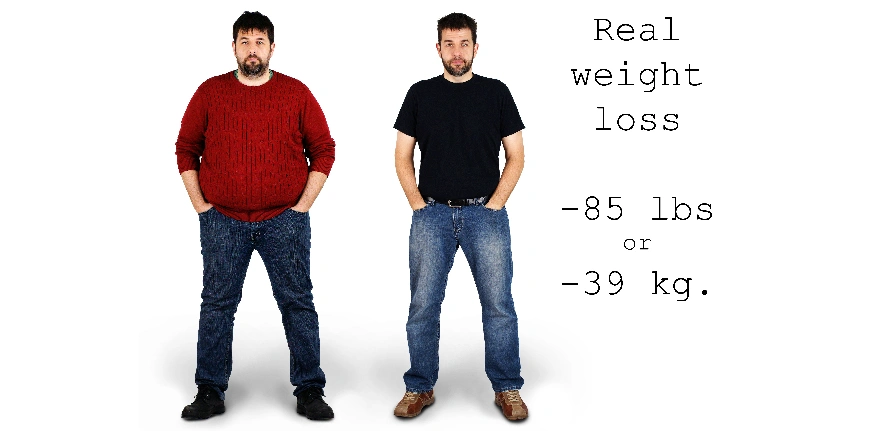
A key success goal is to lose approximately half of the excess weight within 12–18 months after surgery and to maintain that weight. This goal is achieved in almost all obesity surgeries, with some cases reaching up to an 80% loss of excess weight.
Adherence to planned daily activities and diet/exercise programs is crucial for maintaining the achieved weight. Inadequate exercise and poor dietary habits—especially after sleeve gastrectomy—can lead to gradual weight regain starting from the second year. -
Is there a possibility of needing a second surgery?
If weight regain occurs after obesity surgery, revision bariatric surgery may be required. However, this is rare among patients who follow their exercise and diet programs.
In addition, one of the major complications of rapid weight loss is sagging skin. If this occurs, you may need to consult a specialist for reconstructive procedures approximately two years after surgery.