

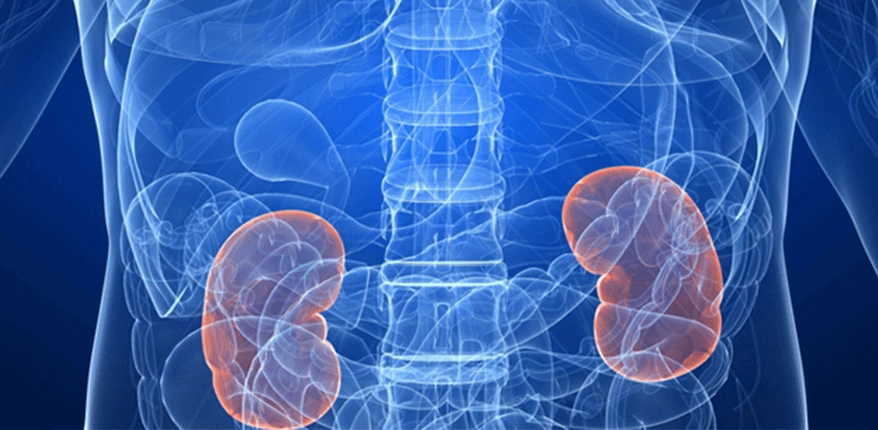
Nephrology
It is a branch of internal medicine concerned with the health and diseases of the kidneys, and an area of practice within internal medical sciences.
It can also be referred to as kidney disease medicine/specialty.
At Emsey Hospital Nephrology Clinic, services are provided in diagnosing kidney diseases, taking preventive measures against kidney diseases, and treating them.
What Is Kidney Disease?
Kidney disease refers to the condition that occurs when your kidneys are damaged and cannot perform their required functions. When kidney disease becomes permanent, it is called chronic kidney disease. If kidney damage occurs in a short period, it is referred to as acute kidney injury.
1. Waste products cannot be removed. In chronic kidney disease, waste products, salts, and water cannot be removed from the body as they should.
2. Waste products accumulate. In chronic kidney disease, waste products and water accumulate in the body.
3. Progression. Chronic kidney disease generally progresses slowly over time, but the rate of progression varies from person to person.
4. Symptoms and signs may not be clear. The accumulation of waste products usually does not cause specific symptoms or signs in the early stages of kidney disease. Often, a few symptoms appear only when kidney function falls below 15%.
5. Other organs. The kidneys are in contact with many organ systems such as the heart, lungs, brain, blood, and skin. These can also be affected in kidney diseases.
Risk Factors For Kidney Disease
1. Diabetes and high blood pressure. Some other diseases such as diabetes and high blood pressure can cause kidney disease.
2. Family history. If someone in your family has kidney disease, is on dialysis, or has had a kidney transplant, you have a higher risk of developing kidney disease compared to people without such a history.
3. Medications. Some medications (painkillers other than paracetamol such as diclofenac, naproxen, etodolac, dexketoprofen) can cause or worsen kidney disease.
4. Age and race. Elderly people and certain races have a higher risk of developing kidney disease.
Tests Required For The Diagnosıs Of Kidney Disease
1. eGFR. The estimated glomerular filtration rate (eGFR) test gives you and your doctor information on how well your kidneys remove waste products from your body. A normal eGFR should be over 100. An eGFR below 60 indicates kidney disease.
2. Protein in urine. Protein is normally found in the body but not in urine. Tests can be performed to detect protein in a urine sample. A large amount of protein in the urine may indicate kidney damage.
3. High blood pressure. High blood pressure can be a sign or a cause of kidney disease.
4. Ultrasound. Imaging the kidneys with an ultrasound device can show kidney size, cysts, or kidney stones. It can also provide information on whether the urine and blood flow from the kidneys are normal.
Treatment Methods For Kidney Disease
- lood pressure. Depending on the type of disease, blood pressure targets may vary. To prevent disease progression, blood pressure should often be kept below 130/80 mmHg.
- Medications. Patients should take one of the ACE inhibitor or Angiotensin Receptor Blocker group of drugs as recommended by their doctor to slow the progression of the disease.
- Healthy lifestyle. Patients with kidney disease should not smoke, should be physically active, and should maintain the weight recommended by their doctor.
- Management of other complications. Patients with chronic kidney disease should be evaluated and treated for conditions related to kidney disease, such as anemia and bone mineral disorders.
What Is End-Stage Kidney Disease?
End-stage kidney disease (ESKD), also called kidney failure, is a condition where your kidneys cannot remove waste products and water, and you do not feel well.
End-stage kidney disease is permanent, and the chance of your kidneys regaining their functions is very low.
In this case, you should talk with your doctor about treatment options for end-stage kidney disease and decide on the most suitable treatment.
What Are The Options?
In end-stage kidney disease, there are several treatment options. These include kidney transplantation, dialysis, and supportive treatment. Your choice will help you live longer, improve your quality of life, and reduce your other health problems.
- Kidney transplantation. In this treatment, another person’s kidney is placed into your body. This can be from a living donor (a family member or, in special cases, a friend) or from a deceased donor.
- There are two types of dialysis:
- Peritoneal dialysis. In this type of treatment, a tube is placed into the patient’s abdomen to remove waste products and excess water. The patient instills dialysis fluid into the abdomen through this tube, and the dialysis fluid is later drained from the body along with waste products. This dialysis is performed daily, either during the day or overnight while sleeping.
Why Is Kidney Transplantation Needed?
If the kidneys are not functioning well and are not expected to recover, patients need dialysis or kidney transplantation to survive. In kidney transplantation, a surgeon places a functioning kidney into a patient with kidney failure. Kidney transplantation may be the best treatment option for kidney failure. It is important to discuss this option with your doctor.
After Transplantation: Patients who have undergone kidney transplantation are generally healthier after the procedure, have a better quality of life, and face fewer medical complications compared to those who remain on dialysis.
What Is Acute Kidney Injury?
Acute kidney injury (AKI) is a sudden loss of kidney function that develops within hours or days.
Acute kidney injury and chronic kidney disease: After acute kidney injury, kidney function often recovers, but in some cases, patients do not fully recover. Chronic kidney disease (CKD) may develop in these patients.
What Causes Acute Kidney Injury?
Acute kidney injury can occur due to low blood flow to the kidneys, direct damage to the kidneys, or blockage in the urinary tract.
Causes:
- Major health problems such as heart attack, severe infections (sepsis), or blockage of urine flow due to kidney stones
- Certain medications harmful to the kidneys (painkillers other than paracetamol such as diclofenac, naproxen, etodolac, dexketoprofen) and herbal supplements
- Some contrast agents used in medical imaging (used in angiography and CT scans)
- Dehydration due to not eating or drinking, vomiting, diarrhea, or bleeding
Who Is At Risk For Acute Kidney Injury?
- People with diabetes
- People with chronic kidney disease
- Patients undergoing cardiac catheterization
- Patients undergoing cardiac bypass surgery
- People with heart failure
- People with liver disease
- Elderly patients
How Is Acute Kidney Injury Diagnosed?
Changes in blood creatinine levels provide information about how fast the kidneys filter and remove toxins from the body. A sudden increase in creatinine levels may indicate acute kidney injury or sudden loss of kidney function.
Urine output is also used to detect problems in kidney function. A decrease in urine volume or complete absence of urine suggests kidney damage.
How Does Acute Kidney Injury Affect Your Body?
When kidney damage develops, waste products and fluids accumulate in the body.
What Should Be Done?
Treatment for acute kidney injury depends on its severity and cause.
- Dialysis: If acute kidney injury is severe, short-term dialysis may be needed to remove waste products and fluids from the body. Rarely, long-term dialysis may be required.
- Post-discharge care: It is important for your doctor to re-evaluate you after discharge. You should also inform healthcare providers in the future that you have previously experienced acute kidney injury.
Is Acute Kidney Injury Permanent?
If detected early and treated by identifying the cause, acute kidney injury can be reversible. However, some patients may develop chronic kidney disease in later years.
What Are Kidney Stones?
A kidney stone is a deposit in the kidney formed from minerals and crystals resembling a stone. Stones may sometimes block the flow of urine, cause pain, or result in blood in the urine.
In patients with kidney stones, there is a 50% chance of developing a second stone within 10 years.
Patients with a family history of kidney stones have twice the risk of developing stones compared to the general population.