
Hematology
What Is Hematology?
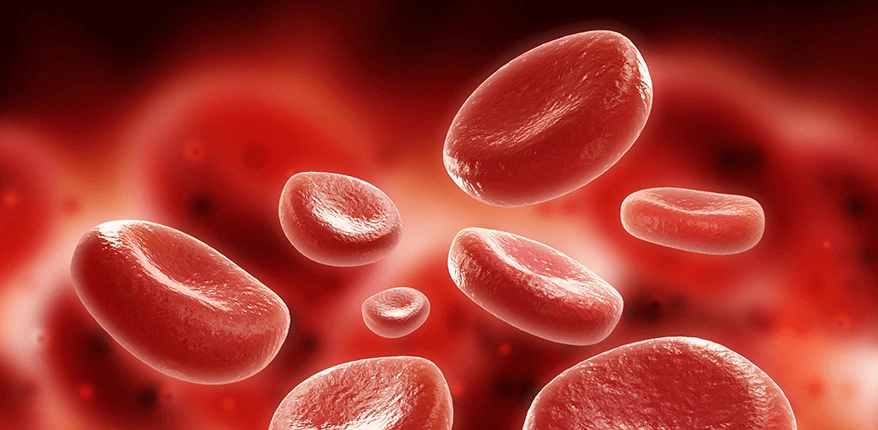
Hematology is the medical specialty that deals with blood (red blood cells, white blood cells, platelets, clotting proteins, etc.), blood-forming organs (hematopoietic organs: bone marrow, spleen, lymph nodes, etc.), and diseases of both of these structures.
What Are Hematological Diseases?
There are numerous blood diseases (hematological diseases) originating from different blood cells or blood production organs. These diseases can be seen in both adults and children, and some have genetic origins.
Some blood diseases can cause significant problems by altering the number, structure, or function of blood cells. Some of them have a sudden onset and progress aggressively (acute diseases), while others progress more slowly over time (chronic diseases).
Some commonly encountered pathological clinical conditions related to blood cells can be summarized as follows:
- Anemia (Deficiency of red blood cells – erythrocytes – anemia)
- Leukopenia (Deficiency of white blood cells)
- Thrombocytopenia (Deficiency of platelets)
- Polycythemia (Excess of red blood cells – erythrocytosis)
- Leukocytosis (Excess of white blood cells)
- Thrombocytosis (Excess of platelets)
These clinical conditions may be a sign of benign diseases or, in some cases, indicate more complex malignant hematologic cancers that can be fatal if untreated and require complicated follow-up and treatment.
Main Hematologic Diseases:
1. Erythrocyte / Red Blood Cell–Related Hematologic Diseases
Anemia: Anemia is a common disease that often results from a deficiency of iron, which plays an important role in the structure of red blood cells. This type is called iron deficiency anemia and is the most common hematologic disease in society. It often develops as a result of another medical condition, and the underlying cause must be investigated.
However, other more severe types of anemia also exist. Anemia can also occur together with other diseases or as a side effect of certain medications.
Other types of anemia include:
Pernicious Anemia: An autoimmune disease in which vitamin B12 (cobalamin), necessary for normal blood formation (hematopoiesis), is not absorbed sufficiently.
Sickle Cell Anemia: Caused by a genetic mutation in hemoglobin molecules within red blood cells, leading to structural abnormalities.
Aplastic Anemia: A rare and serious type of bone marrow failure in which the bone marrow cannot produce enough new blood cells.
Autoimmune Hemolytic Anemia: Anemia caused by the destruction of red blood cells by the body’s own immune system.
Thalassemia: A group of inherited blood disorders that affect the production of normal hemoglobin. Without enough hemoglobin, oxygen cannot be delivered to all parts of the body, potentially causing organ damage (bone deformities, heart and kidney problems, etc.).
2. Leukocyte / White Blood Cell–Related Hematologic Diseases
White blood cells are found throughout the body, including the circulatory and lymphatic systems, and play an important role in the immune system by protecting against microbial infectious diseases. There are structurally and functionally different subtypes: lymphocytes, neutrophils, eosinophils, basophils, and monocytes.
Leukemia: A type of blood cancer in which the number of malignant white blood cells increases in the bone marrow, the center of blood production. It can affect all age groups and may occur as acute leukemia or chronic leukemia in both children and adults. Chronic leukemia progresses more slowly.
Lymphoma: Malignant diseases of the lymphatic system in which white blood cells change and become uncontrollable. There are two main types: Hodgkin lymphoma and non-Hodgkin lymphoma.
Multiple Myeloma: A hematologic disease characterized by the uncontrolled increase and proliferation of plasma cells (derived from B lymphocytes) and dysfunction. Abnormal proteins produced by uncontrolled plasma cells are nonfunctional, do not fight infections, and damage many structures, especially the kidneys and skeletal system.
Myelodysplastic Syndrome (MDS): A hematologic disease characterized by problems in immature white blood cells due to defective production of blood cells in the bone marrow.
3. Platelet-Related Hematologic Diseases
Platelets are nucleus-free cells that play a key role in blood clotting. Platelet-related diseases are generally inherited.
Hemophilia: A blood clotting disorder that occurs mostly in males and can have fatal consequences. Patients suffer from significant bleeding problems.
Platelet function disorders: Hematologic diseases caused by acquired platelet dysfunction due to various reasons. Depending on severity, bleeding disorders may occur.
Von Willebrand disease: One of the most common inherited hematologic diseases, caused by a deficiency of a protein called von Willebrand factor (VWF) that helps blood clot. It increases the patient’s risk of bleeding.
Primary thrombocytosis: A condition in which the bone marrow produces more platelets than normal, increasing the risk of blood clots. It may lead to high rates of stroke or heart attack.
What Are the Symptoms of Hematologic Diseases?
The symptoms vary depending on the type of affected blood cell.
Common Symptoms In Red Blood Cell Disorders:
- Fatigue
- Pallor
- Difficulty concentrating and learning
- Palpitations (tachycardia)
Common Symptoms In White Blood Cell Disorders:
- Chronic infections
- Fatigue
- Weight loss
- Headache
- Mood disorders
Common Symptoms In Platelet Disorders:
- Bruising, subcutaneous bleeding
- Petechiae (small red spots under the skin)
- Slow-healing wounds and cuts
- Nosebleeds
- Gum bleeding
- Vascular blockages, strokes (in cases of high platelet counts)
Tests That May Be Requested for Diagnosis:
- Complete blood count
- Microscopic examination of the blood
- Molecular biological tests
- Flow cytometry
- Immunophenotyping
- Bone marrow aspiration or biopsy
- Fluorescence in situ hybridization (FISH)
Treatment Options for Hematologic Diseases
Advances in medicine strengthen the ability of physicians to fight hematologic diseases and improve treatment outcomes.
Treatment methods vary greatly depending on the disease and the patient’s condition.
Diet and lifestyle changes, as well as iron and vitamin B supplements, may be sufficient in some cases of anemia. Chronic neoplastic diseases may require steroids and oral chemotherapy, while intensive chemotherapy is necessary in lymphomas and multiple myeloma.
Some diseases may require blood or blood product transfusions, radiotherapy, or surgical interventions. In some cases, bone marrow transplantation and genetically modified cell therapies are the best treatment options.
What Is Bone Marrow Transplantation?
The “stem cells” in the bone marrow are responsible for producing blood cells in the body. When the bone marrow is damaged or loses its function, new “stem cells” obtained by various methods are reintroduced into the body via intravenous infusion—this procedure is called bone marrow transplantation.
Types of Bone Marrow Transplants:
Autologous Transplant: The donor is the patient themselves. The patient’s own stem cells are collected, frozen, and later returned after specific procedures. The purpose is to restart the damaged bone marrow after high-dose chemotherapy and/or radiotherapy. Diseases eligible for autologous transplant include multiple myeloma, Hodgkin lymphoma, non-Hodgkin lymphoma, and acute myeloid leukemia.
Allogeneic Transplant: The donor is another person, and the stem cells must be HLA-matched with the patient. The higher the tissue compatibility, the greater the success rate. Relatives are prioritized donors due to genetic similarity. If no match is found within the family, compatible donors are sought from national or international stem cell banks. This is called “unrelated allogeneic transplant.” Certain acute and chronic leukemia types and lymphoma may require this treatment.
Haploidentical Transplant: Performed when no fully matched donor is available, using a first-degree relative (parent, sibling, child) with partial HLA compatibility (at least 50%).
How Are Stem Cells Collected? Is It Harmful for the Donor?Stem cells are collected from the donor’s bone marrow or peripheral blood using minimally invasive methods. Before the procedure, the donor receives a 5-day treatment to stimulate stem cells to enter the bloodstream. There is no early or late harm to being a stem cell donor. In some cases, there may be temporary stiffness or general fatigue for a few days. The donor’s body replaces the harvested stem cells within a few weeks.
Post-Transplant Follow-Up
The most important issue is graft failure, where the transplanted stem cells do not engraft sufficiently in the bone marrow. In such cases, the transplant procedure is repeated. Another major complication is disease relapse after transplantation.
Additionally, in allogeneic transplants, graft-versus-host disease (GVHD) may occur when the donor’s immune cells react against the recipient’s cells. This happens in 30–40% of related transplants and 50–60% of unrelated transplants.
After the procedure, the patient stays in a specialized isolation room for close monitoring. Even after discharge, regular outpatient follow-up is essential—weekly at first, then monthly, and eventually yearly. Returning to normal work life may take around 6 months.