

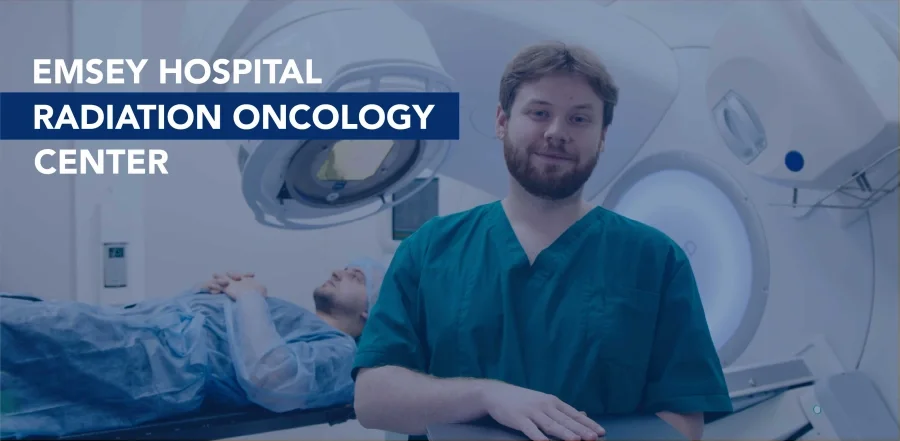
Emsey Hospital Radiation Oncology Center
Radiation Oncology
Radiotherapy is the application of radiation to the tumor region in your body in order to eliminate the tumor or sometimes reduce its negative effects. Therefore, it is also referred to as "radiation therapy." The rays used in radiotherapy are aimed at stopping the growth of cancer cells or destroying them in the treated area. Radiotherapy is a frequently used application in cancer treatment. In fact, 60-80% of cancer patients may need at least one session of radiotherapy after diagnosis.
How is Radiotherapy Planned?
Many factors affect how treatments are determined, including the patient’s age, general health, type of cancer, extent, and location. Treatment decisions are made through a multidisciplinary approach, with several specialists evaluating the patient together. Each patient receives an individually tailored diagnosis and treatment plan because even patients with the same type of cancer require unique approaches.
Who Makes Up the Radiation Oncology Team?
-
Radiation Oncologist: Responsible for determining which part of the body will receive radiotherapy, how much, adjusting treatments when necessary, and managing side effects.
-
Medical Physicist: Responsible for planning, quality assurance, technical support, and device safety. Works with the radiation oncologist in treatment planning and implementation.
-
Radiotherapy Technicians: Specially trained to operate radiotherapy machines. They ensure patient positioning, operate devices, and monitor via control room screens.
-
Oncology Nurse: Works closest with the patient alongside the radiation oncologist. Provides guidance on side effects and patient care during treatment.
How is Radiotherapy Applied?
Radiotherapy requires teamwork and several steps. For planning, a CT scan is performed. The target organ and surrounding tissues are identified slice by slice, and appropriate doses are calculated. On the first treatment day, the patient lies on the treatment table, and the plan is verified on the body before application. Radiotherapy is typically applied five days a week, with weekends off. Positioning and verification take 10–15 minutes, while actual treatment lasts only 3–5 minutes. Radiotherapy is painless, similar to an X-ray, and the patient is monitored by cameras throughout.
Frequently Asked Questions
• How does radiotherapy affect the body?
Radiotherapy uses high-energy X-rays to damage the nucleus of cancer cells, leading to their destruction.
• What are the benefits of radiotherapy?
Unlike systemic therapies, radiotherapy targets specific areas, offering fewer side effects while effectively destroying cancer cells.
• What are the side effects?
They depend on the treated area. For example, head/neck treatment may cause mouth sores, swallowing difficulties, or dryness, while breast treatment may lead to redness, pain, or fatigue.
• Which diseases can be treated?
Radiotherapy can be applied to patients of all ages and organs. The most common cancers treated include breast, lung, prostate, gynecological, stomach, colorectal, brain, and musculoskeletal cancers.
Additionally, patients receiving radiotherapy are guided with nutritional programs prepared according to international cancer nutrition guidelines. Daily walking for at least 30 minutes is recommended to support the process.