

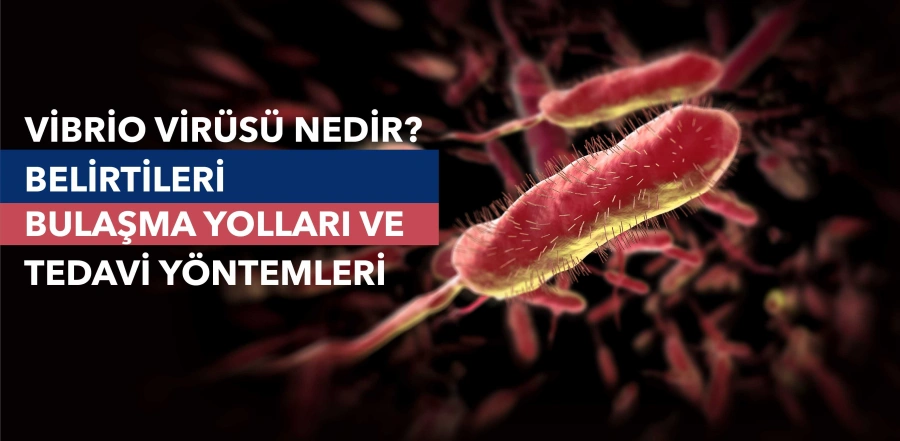
What Is Vibrio? Symptoms, Transmission Routes and Treatment Methods
What Is the Vibrio Virus (Vibrio Bacteria)?
Vibrio is a type of Gram-negative bacteria that lives in warm, salty waters. There are more than 100 species in total, but the main species that cause disease in humans are:
-
Vibrio cholerae → The causative agent of cholera.
-
Vibrio parahaemolyticus → Transmitted through raw or undercooked seafood and causes gastrointestinal infections.
-
Vibrio vulnificus → Can cause blood poisoning (sepsis) and severe skin infections.
These bacteria multiply particularly during the summer months as seawater temperatures rise. They are commonly transmitted through the consumption of raw seafood, contact between seawater and open wounds, and drinking contaminated water.
How Is Vibrio Transmitted?
1. Raw or Undercooked Seafood
Shellfish such as mussels, oysters, and shrimp may carry Vibrio bacteria. The bacteria can enter the body when these products are consumed without being thoroughly cooked.
2. Contact Between Seawater and Open Wounds
Open wounds such as cuts, scratches, or surgical scars can become rapidly infected when exposed to the bacteria.
3. Consumption of Contaminated Water or Food
Vibrio cholerae is generally transmitted through contaminated water and can cause cholera outbreaks.
Symptoms of Vibrio Infection
The symptoms of Vibrio infection vary depending on the bacterial species and the route of transmission. The most common symptoms include:
Digestive System Symptoms (Oral Transmission)
-
Sudden-onset, severe, watery diarrhea
-
Abdominal pain and cramps
-
Nausea and vomiting
-
Fever and fatigue
-
Dehydration and dizziness
Skin and Soft Tissue Infection (Transmission Through Wounds)
-
Redness, swelling, and warmth
-
Fluid-filled blisters or skin discoloration
-
Rapidly spreading infection
-
Severe pain
-
In advanced cases: tissue death (necrosis), sepsis, and risk of death
Who Is at Risk?
Vibrio infection can affect anyone, but the disease may be more severe in certain groups:
-
People with liver disease (such as cirrhosis)
-
Individuals with weakened immune systems
-
Older adults and babies
-
Cancer patients or people with diabetes
-
People who consume raw seafood
-
People who enter the sea with open wounds
Diagnosis and Treatment of Vibrio Infection
How Is It Diagnosed?
-
Stool culture (if diarrhea is present)
-
Blood culture (if there is a severe infection or risk of sepsis)
-
Wound culture (for skin infections)
-
Complete blood count and inflammatory markers
Treatment Methods
Mild Cases
-
Adequate fluid and electrolyte replacement
-
Proper hygiene and nutritional monitoring
-
Antibiotics are generally not required.
Moderate to Severe Cases
-
Intravenous fluid replacement
-
Antibiotic treatment when necessary (for example, doxycycline or ceftriaxone)
-
Hospitalization in high-risk cases
Skin Infections (V. vulnificus)
-
Antibiotics and wound cleaning
-
Surgical intervention, if necessary (removal of infected tissue)
-
Intensive care may be required if sepsis develops.
Ways to Prevent Vibrio Infection
It is possible to prevent Vibrio infection. The following precautions should be observed, particularly during the summer months:
-
Avoid raw seafood. Cook all seafood thoroughly.
-
Do not swim in the sea with open wounds. If you do, wash the affected areas thoroughly with clean water and apply an antiseptic.
-
If your immune system is weakened, avoid shellfish.
-
If you are in a holiday destination, make sure the drinking water is safe.
-
Follow hygiene practices, including handwashing and proper food preparation.
When Should You See a Doctor?
-
If diarrhea lasts longer than 48 hours
-
If there is blood in the stool
-
If redness and swelling around a wound progress rapidly
-
If fever and chills occur
-
If skin discoloration, blistering, or severe pain develops
-
If confusion or extreme fatigue occurs


