


What Is Constipation, What Causes It, and How Does It Go Away?
What Is Constipation?
Constipation is a common digestive issue defined by slowed bowel movements and a decreased frequency of defecation. It is usually accompanied by hard and dry stools and is a bothersome condition that affects many people in their daily lives. Constipation can make a person feel uncomfortable, bloated, and uneasy. In particular, a sedentary lifestyle, insufficient fluid intake, and a low-fiber diet are major factors that trigger constipation.
From a health perspective, although constipation may seem like a minor inconvenience, when it becomes chronic it can negatively affect both bowel health and overall quality of life. Therefore, constipation should be taken seriously and preventive measures should be implemented.
What Causes Constipation?
Constipation is often directly related to lifestyle and eating habits, but in some cases medical conditions or medications can also trigger it. The most common causes include:
Insufficient water intake
The body needs adequate water for the digestive system to function properly. Inadequate fluid intake causes the stool to harden, making it more difficult to pass through the intestines. In particular, heavy consumption of caffeine or alcohol can disrupt the body’s fluid balance and increase the risk of constipation.
Low-fiber diet
Fiber is one of the most important nutrients that help regulate bowel movements. Adequate fiber intake keeps stools soft and supports easier passage through the intestines. However, a diet high in processed foods and low in fiber-rich vegetables, fruits, and whole grains paves the way for constipation.
Sedentary lifestyle
Low physical activity can slow bowel movements. Constipation is more common in people who have desk jobs or follow a sedentary lifestyle. Movement stimulates intestinal muscle activity and speeds up digestion.
Side effects of certain medications
Some medications—especially painkillers, antidepressants, iron supplements, and antihypertensives—can cause constipation.
Stress and psychological factors
Stress can negatively affect the digestive system and slow bowel movements. Constipation is common in individuals under chronic stress. With stress, the digestive system slows down and defecation becomes more difficult.
Symptoms of Constipation
Although symptoms vary from person to person, the following are commonly seen:
-
Decreased frequency of bowel movements
A healthy individual defecates at least once a day or several times a week. In people with constipation, frequency may drop to twice a week or less. -
Abdominal pain and bloating
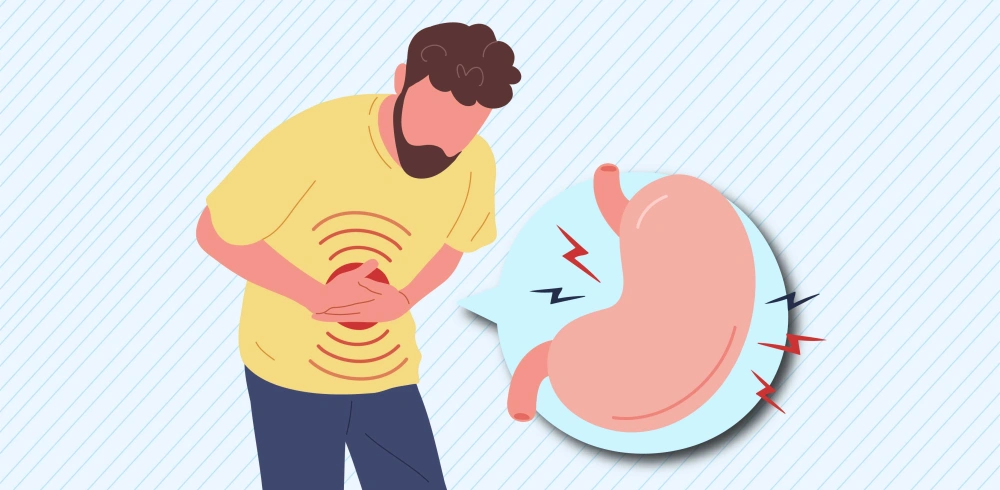
Accumulated stool causes gas formation and bloating, leading to discomfort and pain in the abdominal area. -
Hard and dry stools
In constipation, stools passing through the intestines are typically hard and dry, making defecation difficult and painful. -
Feeling of incomplete evacuation
After defecation, individuals may feel that their bowels have not completely emptied.
Risk Factors for Constipation
Various risk factors play a role in the development of constipation and may make it more common in some individuals:
Age, sex, and genetic factors
Constipation is more common in older adults. As we age, metabolism slows and the digestive system is affected. In addition, in women, hormonal fluctuations and pregnancy can increase constipation.
Pregnancy and hormonal changes
Hormonal changes during pregnancy can slow bowel movements. The expanding uterus may also put pressure on the intestines and make defecation more difficult.
Digestive system disorders
Certain conditions—such as irritable bowel syndrome (IBS) and inflammatory bowel disease—can increase the risk of constipation by disrupting normal bowel function.
Treatment and Solutions for Constipation
In the treatment of constipation, seeking solutions primarily through lifestyle changes and dietary adjustments is among the most effective and healthiest approaches. Effective methods include:
Regulating eating habits
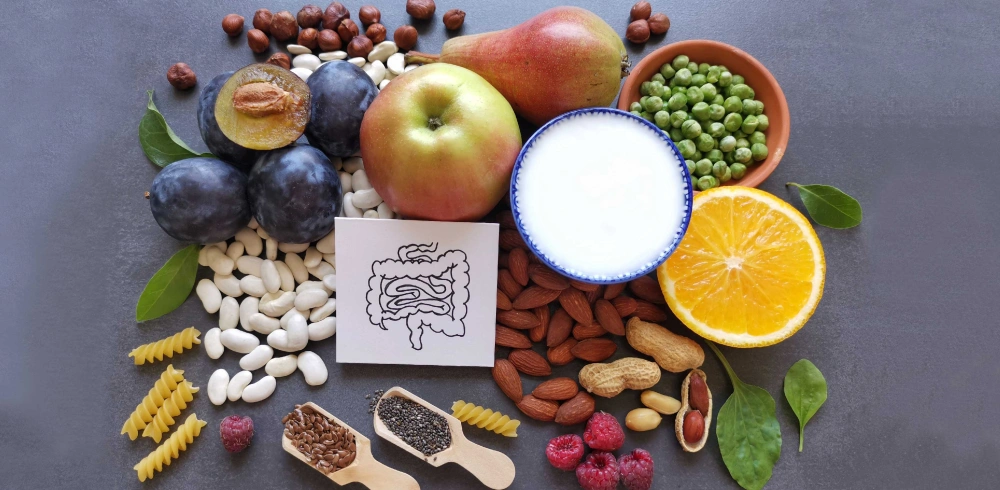
Consuming fiber-rich foods helps regulate bowel movements. Aim for at least 25–30 grams of fiber per day to facilitate digestion. Fiber-rich foods include leafy green vegetables, whole grains, fruits, and legumes.
Drinking plenty of water
Increasing daily water intake helps keep stools soft. Especially when increasing fiber intake, it is important to also increase water consumption. Drinking 8–10 glasses of water a day accelerates bowel movements and helps prevent constipation.
Exercise and physical activity
Regular exercise stimulates the digestive system. At least 150 minutes per week of light-intensity activities such as walking, yoga, or swimming can activate the bowels and reduce constipation.
Probiotics and prebiotics
Probiotics support digestive health by balancing the gut microbiota. Yogurt, kefir, and fermented foods are rich sources of probiotics. Prebiotic fibers also nourish beneficial bacteria.
Medications and laxatives
When constipation becomes chronic and other methods are ineffective, certain laxatives may be used under medical supervision. However, long-term use may lead to bowel sluggishness, so prioritize natural methods before medication.
Natural Remedies and At-Home Tips
Some natural, home-based approaches can be effective for people with constipation:
-
Herbal teas: Fennel, peppermint, ginger, and chamomile teas may stimulate bowel activity and ease digestion. Fennel can reduce gas and bloating; peppermint relaxes intestinal muscles.
-
Olive oil: Taking a teaspoon of olive oil on an empty stomach in the morning can lubricate the intestines and help stool move more easily. Also add olive oil to salads and meals.
-
Nuts: Walnuts, almonds, and pumpkin seeds, with their high fiber content, can accelerate bowel movements. A handful a day increases fiber intake. Dried prunes are particularly effective.
-
Fiber-rich fruits: Apples, pears, oranges, figs, and dried apricots are high in fiber and water, helping to relieve constipation. Dried prunes are known as a natural laxative.
Preventing Constipation
Constipation is preventable. With certain lifestyle changes, you can regulate bowel movements and prevent constipation entirely:
-
Increase fiber intake with whole grains, vegetables, fruits, and legumes.
-
Exercise regularly to accelerate bowel movements (walking and yoga are especially helpful).
-
Maintain adequate fluid intake daily to keep stools soft.
-
Develop regular bowel habits, e.g., going to the toilet after breakfast.
-
Practice stress management with meditation, breathing exercises, and relaxation techniques.
When to See a Doctor?
Although constipation often resolves with simple lifestyle changes and natural methods, medical attention may be required in certain cases:
-
If constipation becomes chronic: lasting for weeks or recurring frequently.
-
If there is blood in the stool or abdominal pain: could indicate a serious condition.
-
Unexplained weight loss or fatigue: may signal an underlying digestive issue.
-
Sudden changes in bowel habits: lasting several weeks should be evaluated by a physician.
Frequently Asked Questions
-
How long should constipation last before seeing a doctor?
If constipation lasts more than two weeks or is accompanied by severe abdominal pain, rectal bleeding, or weight loss, consult a doctor. -
Which natural methods can be used at home?
Eat fiber-rich foods, drink plenty of water, and consume bowel-stimulating foods such as prunes. Regular exercise and probiotics also support gut health. -
What is the fastest remedy?
Increasing water and fiber intake is among the quickest solutions. Prunes, apricots, and figs are effective in stimulating the bowels. -
Why is constipation more common in the elderly?
Slower bowel movements, decreased fluid intake, and medication side effects make constipation more frequent in older adults. -
Can medications be used temporarily?
Laxatives may help but long-term use can cause bowel sluggishness and electrolyte imbalance. Always seek medical advice first. -
Which foods should be avoided?
Processed foods, fatty foods, excessive dairy, and caffeine may worsen symptoms in some people. Reducing these can help during episodes of constipation.