

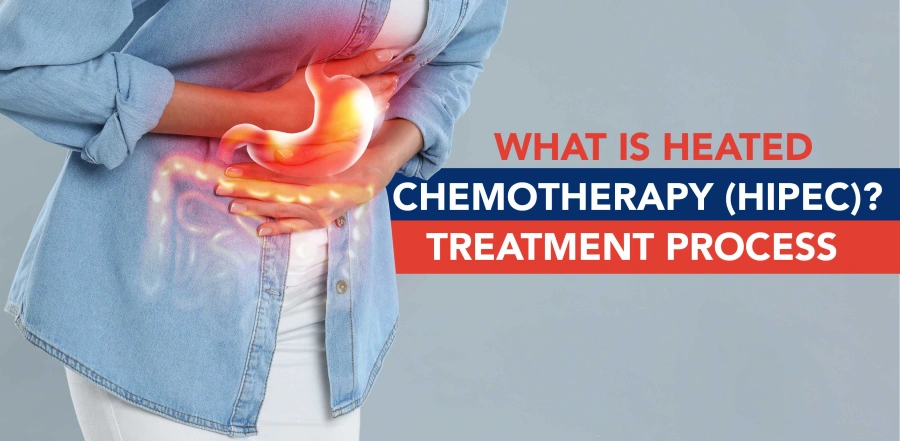
What Is Heated Chemotherapy (HIPEC)? Treatment Process
What Is Heated Chemotherapy (HIPEC)?
HIPEC is a treatment applied during surgery in which heated chemotherapy solution is circulated inside the abdomen. Following cytoreductive surgery (CRS) to remove visible tumors, chemotherapy drugs heated up to 42°C are delivered directly to the peritoneal cavity. This allows direct destruction of residual cancer cells and reduces the chance of recurrence.
Which Cancers Can HIPEC Treat?
-
Colorectal cancer (colon and rectum) with peritoneal spread
-
Peritoneal cancer
-
Stomach cancer with peritoneal involvement
-
Pseudomyxoma peritonei (appendix cancer)
-
Ovarian cancer (advanced stages)
-
Selected cases of sarcomas and pancreatic cancer

How Does the Treatment Work?
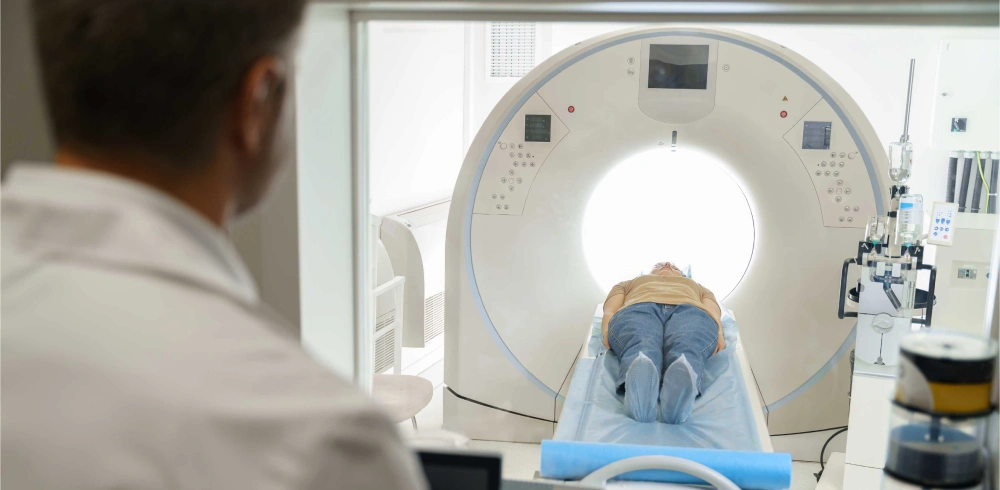
After preoperative evaluation (blood tests, CT/MRI, biopsies), patients undergo CRS to remove as much tumor as possible. Then, heated chemotherapy is infused into the abdomen for about 60–90 minutes, enhancing drug penetration and minimizing systemic side effects compared to standard chemotherapy.
Advantages of HIPEC
-
Targeted treatment: Direct effect on cancer cells in the abdomen
-
Higher dosage with fewer systemic effects
-
Single-session potential: CRS+HIPEC may be curative in select cases
Who Is Not Eligible?
Not suitable for patients with:
-
Severe heart, kidney, or liver failure
-
Poor general health preventing surgery
FAQs
Is HIPEC painful?
No, it is performed under general anesthesia.
Does it extend survival?
In advanced abdominal cancers, HIPEC may extend survival by 1–5 years depending on cancer type and stage.
How is it different from standard chemotherapy?
Unlike systemic chemotherapy, HIPEC delivers drugs directly to the abdomen
For details, contact the General Surgery Clinic at Emsey Hospital.