


What is Hypotension? What Are the Symptoms of Low Blood Pressure?
What is Low Blood Pressure (Hypotension)?
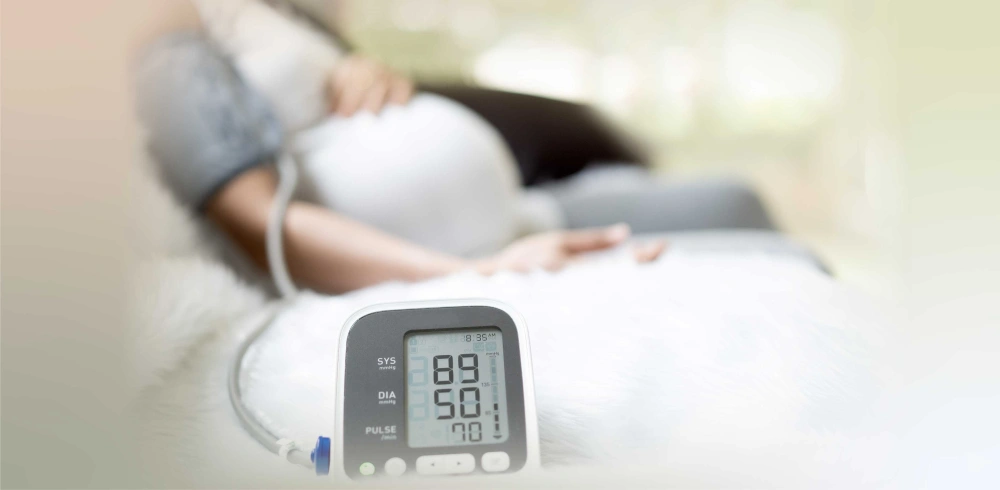
Hypotension is the medical term for low blood pressure. It is considered hypotension when blood pressure falls below 90/60 mmHg. In some people, it may cause symptoms such as dizziness, fainting, and fatigue, while in others it may show no symptoms and even be considered a healthy condition.
Causes of Hypotension
-
Inadequate fluid intake
-
Heart conditions such as heart attack, heart failure, or very slow heart rate
-
Thyroid problems, low blood sugar (hypoglycemia), or other hormonal imbalances
-
Severe injury or internal bleeding causing major blood loss
-
Severe infection
-
Severe allergic reactions
-
Deficiency of vitamin B12 and folic acid
-
Certain medications such as diuretics, beta-blockers, antidepressants
Symptoms of Hypotension
-
Dizziness or lightheadedness
-
Fainting
-
Blurred vision
-
Fatigue
-
Difficulty concentrating
-
Nausea
-
Cold, clammy, and pale skin
-
Rapid, shallow breathing
What Helps with Low Blood Pressure?
Some measures can help stabilize blood pressure when it drops:
-
Increasing salt intake
-
Drinking plenty of fluids
-
Eating small, frequent meals
-
Consuming caffeinated drinks such as tea or coffee
-
Moving slowly when standing up or changing position
-
Avoiding crossing the legs
-
Wearing support stockings
-
Eating foods rich in iron, vitamin B12, and folate
-
Using a high pillow
-
Avoiding strenuous exercise
Is Low Blood Pressure Dangerous? What Complications Can It Cause?
While hypotension may not cause serious health problems for some, it can lead to severe complications for others. It can prevent vital organs such as the brain, heart, and kidneys from receiving enough blood and oxygen.
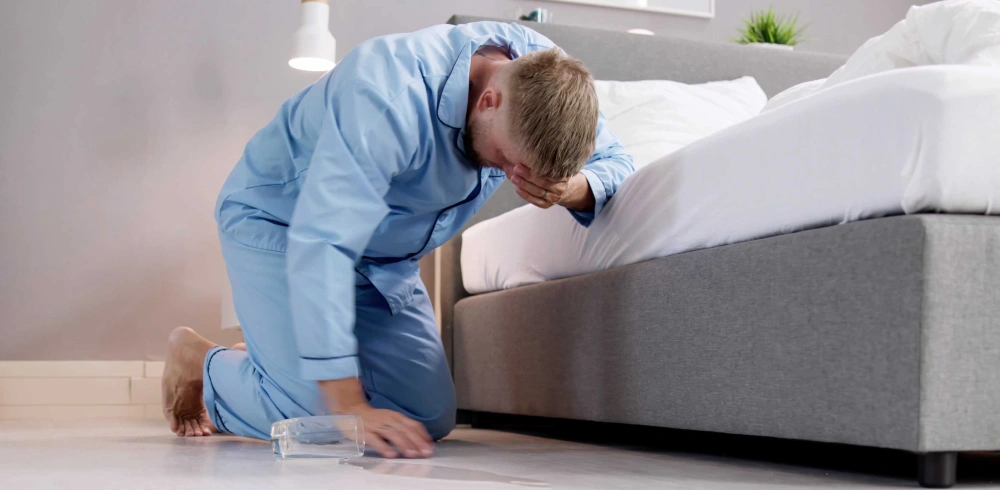
Orthostatic hypotension (sudden drop in blood pressure when standing up) can cause fainting and falls, especially risky in the elderly. Shock, caused by extremely low blood pressure, is a life-threatening condition requiring urgent medical care.
How is Hypotension Diagnosed?
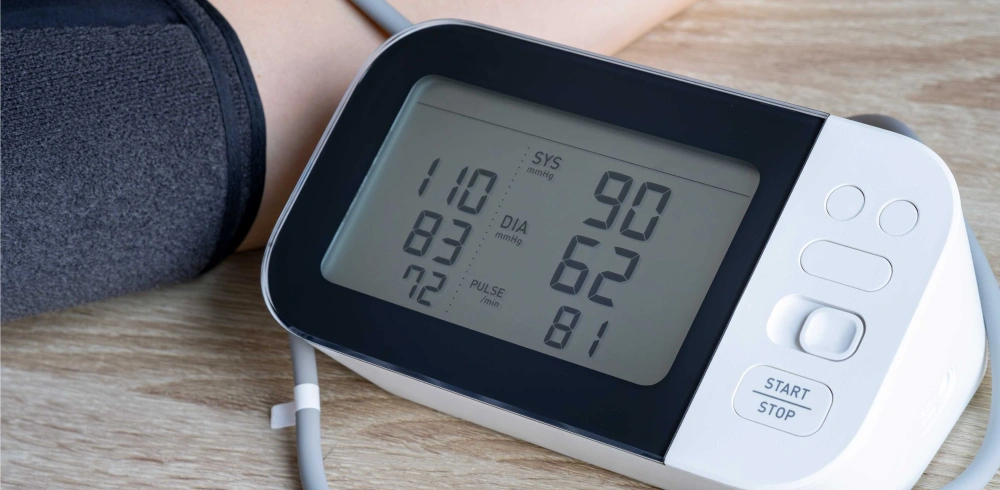
The doctor reviews medical history and symptoms such as dizziness, fainting, blurred vision, fatigue, and nausea. Heart rhythm, breathing, and overall health are evaluated. Patients may be asked to measure and record blood pressure regularly. Additional tests may include ECG, echocardiography, tilt test, and 24-hour blood pressure monitoring.
How is Hypotension Treated?
Sometimes hypotension shows no symptoms and may not require treatment. It is often managed through lifestyle changes:
-
Drinking enough fluids
-
Increasing salt intake
-
Eating small, frequent meals
-
Adequate intake of vitamin B12, folic acid, and iron
-
Limiting or avoiding alcohol
-
Avoiding standing for long periods or sudden position changes
-
Avoiding tight clothing that restricts blood flow
Depending on severity and underlying cause, medical treatment may be needed. Compression stockings can help manage orthostatic hypotension. In severe cases, intravenous (IV) fluids may quickly restore balance. Emergency care may be necessary if hypotension becomes life-threatening.
Regular monitoring of blood pressure and check-ups with your doctor are important to adjust treatment as needed.