

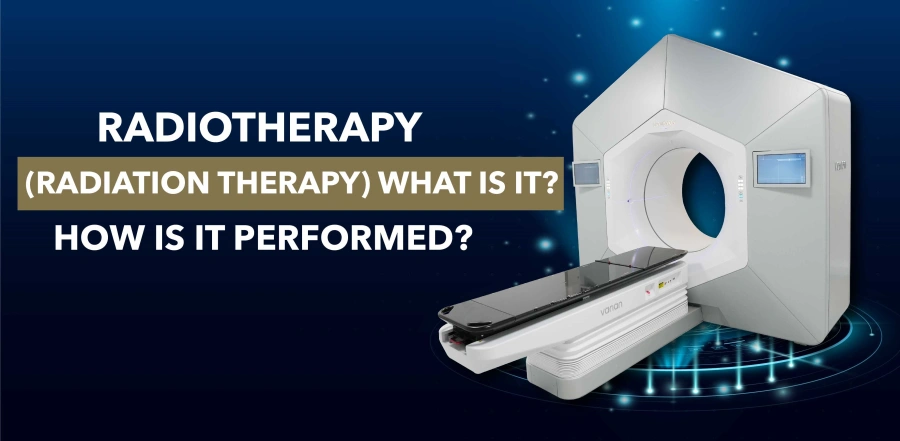
What Is Radiotherapy (Radiation Therapy)? How Is It Performed?
What Is Radiotherapy (Radiation Therapy)?
Radiotherapy, commonly known as radiation therapy, is a treatment method that uses high-energy radiation to destroy cancer cells or stop their growth. Modern radiotherapy machines are designed to precisely target the tumor while protecting healthy tissues as much as possible. This allows the treatment to be both safe and effective.
Radiotherapy may be used alone or in combination with chemotherapy and surgical treatments. The main goals are to shrink or eliminate the tumor and to improve the patient’s quality of life.
What Is Radiation Oncology?
The medical specialty that plans and delivers radiotherapy is called radiation oncology. Physicians working in this field are known as radiation oncologists.
What Does Radiation Oncology Treat?
- Plans and administers radiation therapy for cancer patients
- Monitors the patient’s overall condition throughout treatment
- Applies combined treatments with chemotherapy, surgery, or immunotherapy when necessary
- Manages side effects and plans supportive care
For this reason, hospitals with radiation oncology departments play a critical role in cancer treatment.
What Does Radiotherapy Do?
One of the most frequently asked questions by patients is, “What does radiotherapy mean?” In simple terms, radiotherapy targets cancer cells with radiation to stop their growth or destroy them.
The main objectives of radiotherapy are:
- To shrink or completely eliminate the tumor
- To reduce tumor size before surgery, making surgical procedures easier
- To destroy remaining cancer cells after surgery
- To relieve symptoms in advanced cancer cases (palliative treatment)
The Objectives of Radiotherapy
The main objectives of radiotherapy include:
- To shrink the tumor or eliminate it completely
- To reduce the size of the tumor before surgery, making surgical intervention easier (neoadjuvant therapy)
- To destroy remaining cancer cells after surgery (adjuvant therapy)
- To relieve symptoms such as pain, bleeding, or pressure caused by cancer (palliative therapy)
Why Is Radiotherapy Given?
Radiotherapy is most commonly used in the treatment of cancer. However, it may also be applied in the management of certain benign conditions.
The main reasons for receiving radiotherapy are:
- Destruction of cancer cells
- Prevention of tumor growth
- Reduction of the risk of recurrence after surgery
- Improvement of quality of life in advanced-stage cancers
How Is Radiation Therapy Performed?
Radiation therapy is delivered using high-technology equipment that directs radiation to a precisely defined area. The treatment process consists of several stages:
1. Preparation and Planning
- The radiation oncologist evaluates the location and stage of the tumor.
- Imaging techniques such as computed tomography (CT) and MRI are used to define the target area.
- Medical physicists calculate the safest and most effective radiation dose.
2. Simulation Stage
- The patient is positioned and immobilized in the same position that will be used during treatment.
- This step is crucial to ensure accurate and precise radiation delivery.
3. Treatment Sessions
- The patient lies in the planned position under the radiotherapy machine.
- Each session typically lasts between 5 and 15 minutes.
- The number of sessions varies depending on the type and stage of the disease; treatment is usually given 5 days per week over several weeks.
4. Follow-Up and Monitoring
- The patient is examined regularly throughout the treatment course.
- Side effects are monitored, and the treatment plan is adjusted when necessary.
Difference Between Radiotherapy and Chemotherapy
- Radiotherapy (Radiation Therapy): A localized treatment method that targets tumor cells by delivering radiation to a specific area.
- Chemotherapy: A systemic drug treatment that affects the entire body.
In many types of cancer, these two treatment methods may be used together.
Side Effects of Radiotherapy
As with any treatment, radiotherapy may cause side effects. These effects can vary depending on the area being treated and the total radiation dose administered.