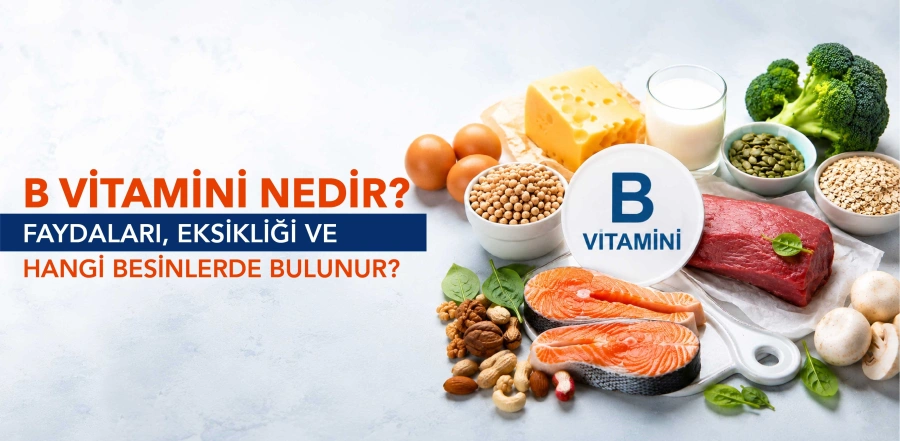
What Is Vitamin B? Benefits, Deficiency, Symptoms, and Food Sources
The human body needs vitamins to maintain many vital functions, including energy production, nervous system function, blood cell production, and cell renewal. One of these vitamin groups is vitamin B, which consists of water-soluble vitamins that are not stored in the body for long periods. Therefore, they need to be obtained regularly through food.
B vitamins play a role in many important biological processes, including supporting energy metabolism, maintaining nervous system health, producing red blood cells, and synthesizing DNA. Inadequate intake can lead to various health problems, ranging from fatigue and anemia to nervous system disorders and skin problems.
What Is Vitamin B?
Vitamin B does not consist of a single vitamin. It is a group of B-complex vitamins consisting of 8 different vitamins that work together. Each has a different function in the body.
These vitamins include:
B1 (Thiamine)
Essential for the nervous system and energy metabolism.
B2 (Riboflavin)
Supports cellular metabolism and immune function.
B3 (Niacin)
Plays a role in energy production and maintaining cholesterol balance.
B5 (Pantothenic Acid)
Important for hormone production and stress regulation.
B6 (Pyridoxine)
Essential for amino acid metabolism and nervous system health.
B7 (Biotin)
Plays a role in maintaining healthy hair, skin, and nails.
B9 (Folate/Folic Acid)
Essential for cell division and, particularly during pregnancy, fetal development.
B12 (Cobalamin)
Essential for red blood cell production and nervous system health.
What Does Vitamin B Do?
B vitamins contribute to the normal functioning of many vital processes in the body.
Their main functions include:
-
Supporting energy metabolism.
-
Contributing to the normal functioning of the nervous system.
-
Playing a role in red blood cell production.
-
Supporting cell renewal.
-
Contributing to the maintenance of brain function.
-
Helping maintain normal psychological function.
-
Participating in processes that support healthy skin, hair, and nails.
Which Foods Contain Vitamin B?
B vitamins are found in a variety of foods. A balanced diet is the most important step in meeting daily requirements.
The richest sources include:
Animal Sources
-
Red meat
-
Chicken
-
Turkey
-
Liver
-
Fish
-
Seafood
-
Eggs
-
Milk
-
Yogurt
-
Cheese
Plant Sources
-
Whole grains
-
Legumes
-
Spinach
-
Broccoli
-
Avocado
-
Bananas
-
Nuts
-
Sunflower seeds
-
Mushrooms
Vitamin B12, unlike other B vitamins, occurs naturally only in foods of animal origin.
What Is Vitamin B12?
Vitamin B12 (cobalamin) is one of the most important vitamins for the nervous system and blood cells.
Its main functions include:
-
Contributing to DNA synthesis.
-
Playing a role in red blood cell production.
-
Helping protect nerve cells.
-
Supporting energy metabolism.
Which Foods Contain Vitamin B12?
Foods rich in vitamin B12 include:
-
Beef
-
Lamb
-
Liver
-
Salmon
-
Tuna
-
Sardines
-
Mussels
-
Eggs
-
Milk
-
Yogurt
-
Cheese
People following a vegan diet have a higher risk of developing vitamin B12 deficiency.
What Causes Vitamin B Deficiency?
Vitamin B deficiency is not caused solely by inadequate nutrition.
The main causes include:
-
An unbalanced diet
-
Vegan or vegetarian diets, particularly in relation to vitamin B12
-
Older age
-
Absorption disorders
-
Celiac disease
-
Crohn's disease
-
Stomach surgery
-
Long-term use of certain medications
-
Excessive alcohol consumption
Symptoms of Vitamin B Deficiency
What Is Vitamin B? Benefits, Deficiency, Symptoms, and Food Sources
Symptoms that may occur when a deficiency develops include:
If vitamin B12 deficiency remains untreated for a long time, permanent damage to the nervous system may develop.
Who Is More Likely to Develop Vitamin B Deficiency?
The risk of deficiency is higher among:
-
Vegans
-
Vegetarians
-
People aged 65 and older
-
Pregnant women
-
Breastfeeding mothers
-
People with digestive system disorders
-
People who have undergone stomach surgery
-
People who regularly consume alcohol
Are Vitamin B Supplements Necessary?
Not everyone needs to take vitamin B supplements.
The decision to use supplements should be based on:
Different treatment options may be used for vitamin B12 deficiency, including tablets, sublingual tablets, or injections. The appropriate treatment method is determined according to the cause and severity of the deficiency.
Benefits of Vitamin B
Adequate vitamin B intake:
-
Contributes to normal energy metabolism.
-
Supports nervous system function.
-
Contributes to normal red blood cell formation.
-
Helps reduce tiredness and fatigue.
-
Plays a role in processes that support cell renewal.
-
Helps meet folate requirements, which are important for healthy fetal development during pregnancy.
Daily Vitamin B Requirements
Daily requirements may vary depending on age, sex, and pregnancy status.
For example:
-
B1: approximately 1.1–1.2 mg
-
B2: approximately 1.1–1.3 mg
-
B6: approximately 1.3–1.7 mg
-
Folate: 400 mcg
-
B12: 2.4 mcg
Consulting a healthcare professional is recommended to determine individual requirements.
Frequently Asked Questions
Does Vitamin B Cause Weight Gain?
No. B vitamins do not directly cause weight gain. They play a role in energy metabolism, but there is no scientific evidence that they independently cause weight gain.
Can Vitamin B12 Be Taken Every Day?
People diagnosed with a deficiency may take vitamin B12 daily or at specific intervals, according to their physician's recommendations.
Should Vitamin B Be Taken on an Empty or Full Stomach?
This may vary depending on the type of supplement. The method of use should follow the product instructions or a physician's recommendations.
Can Excessive Vitamin B Intake Be Harmful?
Because B vitamins are water-soluble, excess amounts are generally excreted in the urine. However, prolonged, unsupervised use of high-dose supplements may cause unwanted effects with certain B vitamins.
Conclusion
The B-vitamin group consists of essential vitamins that support energy production, nervous system function, blood cell formation, and normal cellular metabolism. Although a balanced diet is sufficient for most people, deficiencies may develop in certain individuals. Anyone experiencing symptoms such as persistent fatigue, forgetfulness, numbness, or anemia should seek medical evaluation and, if necessary, have an appropriate treatment plan developed in consultation with a physician.
Emsey Medical Editorial Board