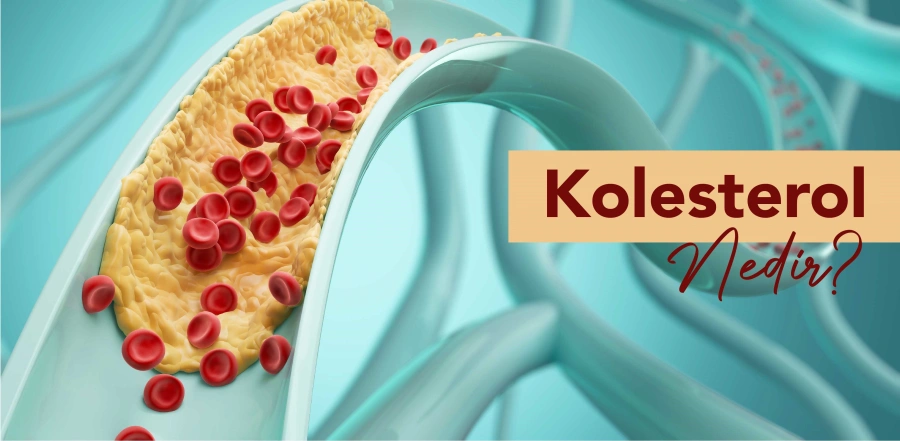
What Is Cholesterol?
Cholesterol is a fat-like substance naturally found in the body and plays an important role in the structure of cells. It is essential for hormone production, the structure of cell membranes, and the absorption of certain vitamins. However, elevated cholesterol levels in the blood can pose a health risk.
Today, some of the most frequently asked questions include what cholesterol is, what the ideal cholesterol levels should be, and how high cholesterol can be lowered.
Cholesterol is generally measured in blood tests under the heading of serum/plasma cholesterol and is evaluated through total cholesterol, LDL cholesterol, and HDL cholesterol levels.
What Are the Types of Cholesterol?
Cholesterol is found in different forms in the blood, and each type has a different effect on the body.
What Is LDL Cholesterol? (Bad Cholesterol)
LDL cholesterol is commonly known as "bad cholesterol." This is because it can accumulate in the artery walls and lead to plaque formation.
Why Is LDL Cholesterol Important?
High LDL cholesterol levels may lead to:
What Should the Normal LDL Cholesterol Level Be?
-
Optimal LDL: Below 100 mg/dL
-
Borderline high: 130 mg/dL
-
High: 160 mg/dL and above
In cases of high total cholesterol levels, such as 300 cholesterol, LDL levels are generally significantly elevated.
What Is HDL Cholesterol? (Good Cholesterol)
HDL cholesterol is known as "good cholesterol" because it has a cleansing effect on the blood vessels.
What Does HDL Cholesterol Do?
-
Transports excess cholesterol to the liver
-
-
Reduces the risk of heart disease
What Should the HDL Cholesterol Level Be?
What Causes Low HDL Cholesterol?
Low HDL cholesterol may increase the risk of heart disease.
What Is Total Cholesterol?
Total cholesterol is the sum of LDL, HDL, and other lipid components.
What Should Cholesterol Levels Be?
-
Normal: 200 cholesterol (below 200 mg/dL)
-
Borderline: 200–239 mg/dL
-
High: 300 cholesterol and above
What Are the Symptoms of Cholesterol?
WHAT IS CHOLESTEROL?
Why Does Cholesterol Increase?
The main factors that cause cholesterol levels to rise include:
-
Consumption of saturated and trans fats
-
-
-
-
These factors particularly contribute to increased LDL cholesterol levels.
Does Omega-3 Lower Cholesterol?
Omega-3 has beneficial effects on cholesterol levels.
Omega-3 fatty acids:
-
Lower triglyceride levels
-
May increase HDL cholesterol
-
Fish, walnuts, and flaxseeds are foods rich in omega-3.
What Is Serum/Plasma Cholesterol?
The question "What is serum/plasma cholesterol?" is frequently searched by people reviewing their blood test results.
Serum/plasma is the fluid component of blood, and cholesterol measurements are performed using this fluid. These tests allow the following values to be analyzed in detail:
When Should You Consult a Doctor?
Consulting a specialist is recommended in the following situations:
-
Cholesterol levels above 200
-
High results such as 300 cholesterol
-
A family history of heart disease
-
Chest pain or shortness of breath
Having regular blood tests is important for monitoring and keeping cholesterol levels under control.