Gallbladder Treatment and Surgery: Symptoms, Diagnosis and Modern Treatment Options
Sudden pain in the upper right part of the abdomen, indigestion that occurs particularly after meals, nausea, and pain radiating to the back or right shoulder… These symptoms may be associated with various health conditions. However, gallbladder diseases, especially gallstones, are among the common causes of these complaints.
While gallstones may not cause any symptoms for a long time in some people, they can lead to severe episodes of pain, inflammation of the gallbladder, or obstruction of the bile ducts in others. Therefore, accurately evaluating symptoms and using appropriate diagnostic methods are important in the management of gallbladder diseases.
Gallbladder diseases do not occur only in older adults. These conditions can also develop in young adults. Genetic predisposition, age, dietary habits, weight changes, hormonal factors, and certain metabolic diseases may play a role in their development.
Today, a minimally invasive surgical technique known as laparoscopic gallbladder surgery is widely used to remove the gallbladder in suitable patients. With this method, which involves small incisions, the postoperative recovery process is planned according to the patient's general condition and the surgical technique used.
So, what does the gallbladder do? Why do gallstones form? Does every gallstone require surgery? Where is gallbladder pain felt? How is gallbladder surgery performed? What should the diet be like after surgery?
In this comprehensive guide, we discuss common questions about gallbladder diseases, gallstone symptoms, diagnostic methods, gallbladder treatment, gallbladder surgery, and the postoperative recovery process.
What Is the Gallbladder?
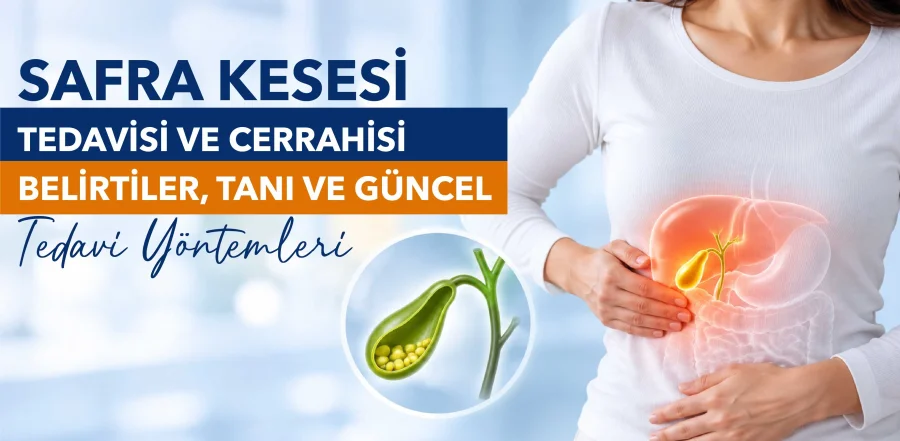
The gallbladder is a small, pear-shaped organ located just beneath the liver. Approximately 7–10 centimeters long, its primary function is to store and concentrate the bile produced by the liver and release it into the small intestine when needed.
Bile plays a role particularly in the digestion of fats and the absorption of certain fat-soluble vitamins. For this reason, the gallbladder is an important accessory organ in the digestive system.
However, bile is produced by the liver, not the gallbladder. The gallbladder stores the bile produced by the liver and releases it into the intestines when needed. Therefore, even after the gallbladder is surgically removed, the liver continues to produce bile.
When gallstones form, inflammation develops, or the bile ducts become obstructed, various digestive symptoms may occur.
How Does the Gallbladder Work?
When a person is not eating, bile produced by the liver is stored and concentrated in the gallbladder.
Particularly after a meal containing fat, the gallbladder contracts in response to hormones released by the digestive system. Bile is then transported through the bile ducts into the duodenum, the first part of the small intestine.
There, bile contributes to fat digestion and the absorption of fat-soluble vitamins.
Changes in the composition of bile or inadequate emptying of the gallbladder may create conditions that contribute to gallstone formation over time. If the resulting stones block a bile duct, pain, inflammation, and other complications may develop.
Can You Live Without a Gallbladder?
Yes, it is possible to live without a gallbladder.
When the gallbladder is surgically removed, the liver continues to produce bile. However, instead of being stored in the gallbladder, bile flows directly into the small intestine. Therefore, gallbladder removal does not mean that the basic functions of the digestive system cease completely.
Nevertheless, the digestive system may need some time to adapt to the change after surgery. Particularly during the initial postoperative period, it may be necessary to limit fatty foods, choose smaller portions, and follow the physician's dietary recommendations.
Gallbladder Treatment and Surgery: Symptoms, Diagnosis and Current Treatment Methods – Image 1
What Are the Diseases of the Gallbladder?
The gallbladder can be affected by various diseases throughout life. While some gallbladder diseases progress for a long time without causing symptoms, others may present with sudden, severe pain and inflammation.
Gallstones, medically known as cholelithiasis, are among the most common gallbladder diseases. Other conditions include gallbladder inflammation, gallbladder polyps, biliary sludge, bile duct stones, and gallbladder dysfunction.
Although rare, gallbladder cancer is also among the diseases that can affect the gallbladder.
The main gallbladder diseases include:
Not every condition causes the same symptoms. Therefore, medical evaluation is necessary to determine the underlying cause of abdominal pain, indigestion, nausea, or complaints that occur after meals.
What Are Gallstones?
Gallstones are solid structures that form when certain substances in bile crystallize and harden over time. In medical terminology, this condition is called cholelithiasis.
Bile contains cholesterol, bile salts, bilirubin, and various minerals. When the balance between these substances is disrupted, small crystals may form. Over time, these crystals can combine and develop into gallstones of different sizes.
Gallstones can range in size from a few millimeters to several centimeters. A person may have a single stone or multiple small stones.
What Are Silent Gallstones?
Not everyone with gallstones develops symptoms. In some people, gallstones may remain symptom-free for years. This is referred to as silent gallstones.
However, if a stone blocks a bile duct or causes inflammation in the gallbladder, sudden and severe pain may occur.
For this reason, the need for treatment or monitoring in people with gallstones is determined by evaluating the patient's clinical condition and risk of complications rather than by the mere presence of stones.
How Do Gallstones Form?
Under normal conditions, bile is a fluid. However, changes in the proportions of certain substances in bile or inadequate emptying of the gallbladder may lead to the formation of crystals.
These crystals can gradually grow and develop into gallstones.
Factors that may contribute to gallstone formation include:
-
Increased cholesterol levels in bile
-
Reduced bile salt levels
-
Inadequate emptying of the gallbladder
-
Bile remaining in the gallbladder for prolonged periods
-
Changes in bilirubin levels
-
Slowed bile flow
Gallstone formation usually does not occur suddenly; it is a process that can develop over several years.
Who Is More Likely to Develop Gallstones?
Gallstones can occur at any age. However, certain people may have a higher risk of developing them.
Risk-related factors include:
Hormonal factors and conditions such as pregnancy may affect the risk of gallstone formation in women.
However, having any of these risk factors does not necessarily mean that gallstones will develop.
Does Every Gallstone Require Surgery?
No. Not every patient with gallstones needs surgery.
Some gallstones that do not cause symptoms or complications may be monitored following a physician's assessment.
In contrast, surgical treatment may be considered in cases involving recurrent episodes of pain, gallbladder inflammation, or obstruction of the bile ducts.
Situations in which surgical treatment may be considered include:
-
Recurrent gallbladder pain
-
Gallbladder inflammation
-
Bile duct obstruction
-
Gallstone-related pancreatitis
-
Gallstones requiring surgery based on the patient's clinical condition
-
Certain gallbladder dysfunctions
The treatment decision is made individually by the physician after considering the patient's symptoms, imaging findings, overall health, and risk of complications.
Gallbladder Inflammation (Cholecystitis)
Gallbladder inflammation, medically known as cholecystitis, most commonly develops when a gallstone blocks the outlet of the gallbladder.
When bile flow is obstructed, pressure inside the gallbladder may increase, leading to inflammation.
Early assessment is important because untreated acute cholecystitis can cause gallbladder damage, infection, and other complications.
Symptoms of Gallbladder Inflammation
Gallbladder inflammation often presents with symptoms that begin suddenly.
Common symptoms include:
-
Severe pain in the upper right part of the abdomen
-
Pain radiating to the right shoulder or back
-
Fever
-
Nausea
-
Vomiting
-
Abdominal tenderness
-
Indigestion
-
Symptoms that worsen particularly after meals
Medical attention should be sought if the pain lasts longer than several hours, progressively worsens, or is accompanied by symptoms such as fever, vomiting, or jaundice.
Gallbladder Polyps
Gallbladder polyps are tissue growths that develop from the inner lining of the gallbladder.
A significant proportion of gallbladder polyps may be benign and may not cause any symptoms. Therefore, they are often discovered incidentally during an ultrasound examination performed for another reason.
Not every gallbladder polyp indicates cancer. However, whether monitoring or surgical treatment is necessary is determined by evaluating the polyp's size, growth pattern, the patient's age, and other risk factors together.
What Are the Symptoms of Gallbladder Disease?
The symptoms of gallbladder diseases may vary depending on the type of condition and whether the bile ducts are affected.
In particular, gallstone symptoms can differ according to the size and number of stones and whether they cause an obstruction in the bile ducts.
The most common symptoms include:
-
Pain in the upper right part of the abdomen
-
Pain radiating to the right shoulder blade
-
Pain extending to the back
-
Symptoms that worsen after fatty meals
-
Nausea
-
Vomiting
-
Bloating
-
Gas
-
Indigestion
-
Feeling full quickly
-
Fever
-
Jaundice
While some people experience only mild discomfort after meals, others may have severe episodes of pain lasting several hours.
What Does Gallbladder Pain Feel Like?
Gallbladder pain is usually felt in the upper right part of the abdomen, beneath the ribs. In some people, the pain may radiate to the right shoulder, right shoulder blade, or back.
Pain that begins particularly after fatty or heavy meals may be associated with gallstones.
An episode of pain caused by a gallstone temporarily blocking a bile duct is known as biliary colic.
Biliary colic may last for several hours before gradually subsiding.
However, if the pain is accompanied by symptoms such as fever, persistent vomiting, or jaundice, more serious conditions, including gallbladder inflammation or bile duct obstruction, may need to be evaluated.
What Causes Gallbladder Diseases?
Gallbladder diseases do not develop as a result of a single cause. Genetic predisposition, age, dietary habits, hormonal changes, weight changes, and certain metabolic diseases may all play a role.
Changes in the balance of cholesterol and other substances in bile may be particularly important in gallstone formation.
Factors that may be associated with the development of gallbladder diseases include:
Having one of these risk factors does not mean that the disease will necessarily develop. However, the presence of multiple risk factors may increase the risk.
Do Dietary Habits Affect the Gallbladder?
Dietary habits are one of the factors associated with gallbladder health.
Eating irregularly for prolonged periods, frequently consuming excessively fatty foods, losing weight too quickly, or gaining a significant amount of weight over a short period may be associated with gallstone formation.
Very low-calorie diets and rapid weight loss, in particular, may increase the risk of gallstones in some people.
What Can Be Done to Maintain Gallbladder Health?
It is not possible to prevent all gallbladder diseases. However, healthy lifestyle habits may help reduce the risk in general.
-
Eat a balanced and varied diet.
-
Avoid prolonged fasting.
-
Maintain a healthy weight.
-
Avoid rapid weight loss.
-
Engage in regular physical activity.
-
Consume sufficient fluids.
Although these recommendations can support general health, they do not replace treatment for an existing gallbladder condition.
Who Is at Greater Risk of Gallbladder Diseases?
Gallbladder diseases can affect anyone. However, some people may have a higher risk.
Women
Hormonal factors may play a role in gallstone formation in women. Pregnancy and certain hormone treatments may also affect the risk.
People Who Are Overweight
Overweight and obesity may increase the risk of gallstone formation in association with changes in the cholesterol balance of bile.
Older Adults
The frequency of gallstones and certain other gallbladder diseases may increase with age.
People with a Family History
People who have first-degree relatives with gallstones may have a higher risk of developing them.
People with Diabetes
Diabetes may be associated with gallstone formation through metabolic changes and effects on gallbladder movement.
People Who Lose Weight Rapidly
Very low-calorie diets or substantial weight loss over a short period may increase the risk of gallstone formation.
How Are Gallbladder Diseases Diagnosed?
The first step in diagnosing gallbladder diseases is to evaluate the patient's symptoms and medical history.
The location of the pain, when it began, how long it lasts, its relationship to meals, and the presence of accompanying symptoms such as nausea, vomiting, fever, or jaundice are important in the diagnostic process.
Following a physical examination, imaging and laboratory tests may be used when considered necessary.
Physical Examination
The physician first evaluates the patient's symptoms and performs an abdominal examination.
Tenderness in the upper right part of the abdomen is assessed in particular when considering gallbladder diseases.
Ultrasound
Gallbladder ultrasonography is one of the imaging methods commonly used to evaluate gallbladder diseases.
Ultrasound can be used to assess:
Because it does not involve radiation and is easy to perform, ultrasound has an important role in gallbladder assessment.
Blood Tests
Blood tests can help evaluate suspected inflammation or obstruction of the bile ducts.
When necessary, the following may be examined:
-
Liver function tests
-
Bilirubin
-
Markers of infection
-
Pancreatic enzymes
Blood tests alone cannot establish a definitive diagnosis of gallbladder disease. They are evaluated together with the clinical examination and imaging findings.
MRCP and Advanced Imaging Methods
In some patients with suspected bile duct stones or obstruction, advanced imaging methods such as MRCP (magnetic resonance cholangiopancreatography) may be used.
MRCP provides detailed images of the bile ducts and can help assess possible obstructions.
How Is Gallbladder Disease Treated?
Gallbladder treatment is planned according to the type of disease, severity of symptoms, characteristics of the stones, presence or absence of complications, and the patient's overall health.
Some gallstones that do not cause symptoms may be monitored. Surgical treatment may be considered in cases involving recurrent pain, gallbladder inflammation, or bile duct obstruction.
The treatment plan takes the following factors into account:
-
The patient's age
-
Overall health
-
Coexisting medical conditions
-
Imaging findings
-
Characteristics of the stones
-
Frequency and severity of symptoms
-
Presence of complications
Can Medication Make Gallstones Go Away?
In certain specific circumstances, medications intended to dissolve gallstones may be considered. However, medication is not suitable for every patient or every type of gallstone.
Furthermore, the effectiveness of this treatment may be limited, and stones may form again in some patients after treatment.
For this reason, the treatment method for patients with gallstones should be determined according to their individual clinical characteristics.
What Is Gallbladder Surgery?
Gallbladder surgery is a procedure in which the gallbladder is removed because of gallstones, recurrent inflammation, certain functional disorders, or other conditions requiring surgical treatment.
The surgical removal of the gallbladder is called cholecystectomy.
Today, laparoscopic gallbladder surgery is one of the most commonly used methods in suitable patients.
Also known as closed gallbladder surgery, the laparoscopic method involves making small incisions in the abdomen. The gallbladder is then removed using a camera and specialized surgical instruments.
When selecting the surgical method, the patient's overall health, history of previous surgeries, characteristics of the gallbladder disease, and the surgeon's assessment are taken into consideration.
How Is Laparoscopic Gallbladder Surgery Performed?
During laparoscopic gallbladder surgery, several small incisions are made in the abdominal area.
A camera system and specialized surgical instruments are inserted through these incisions. Guided by the camera images, the surgeon separates the gallbladder from the surrounding tissues and removes it.
Potential advantages of laparoscopic surgery in suitable patients include:
However, laparoscopic surgery may not be suitable for every patient. The surgical approach is determined according to the patient's clinical condition and the circumstances that may be encountered during surgery.
Recovery After Gallbladder Surgery
Recovery time after gallbladder surgery may vary depending on the surgical method used, the patient's overall health, and the extent of the procedure.
A significant proportion of suitable patients can return to their daily activities sooner after laparoscopic gallbladder surgery.
Depending on the patient's condition, discharge may be possible on the same day or the following day.
During the first few days after surgery, temporary symptoms may include:
What Should You Pay Attention to After Gallbladder Surgery?
During recovery:
-
Take medications regularly as recommended by the physician.
-
Pay attention to wound care.
-
Attend follow-up appointments as scheduled.
-
Avoid heavy lifting during the first few days.
-
Limit strenuous physical activities for the period recommended by the physician.
-
Take gentle walks when appropriate.
-
Drink sufficient fluids.
-
Maintain a balanced diet.
Medical attention should be sought if symptoms such as sudden fever, severe or progressively worsening abdominal pain, or significant redness, swelling, or discharge at the wound site occur.
The time needed to return to work and resume daily physical activities varies from person to person.
What Should You Eat After Gallbladder Removal?
Diet is one of the most common concerns among patients after gallbladder surgery.
Even after the gallbladder is removed, the liver continues to produce bile. However, because bile flows directly into the intestines without being stored, the digestive system may need time to adapt to the new pattern.
Particularly during the initial period, patients may be advised to choose lighter, easily digestible foods, eat smaller portions, and limit fatty foods.
Dietary Recommendations After Gallbladder Surgery
-
Smaller, more frequent meals may be preferable.
-
Boiling, baking, or grilling may be chosen instead of frying.
-
Very fatty foods may be avoided.
-
High-fiber foods may be introduced according to individual tolerance.
-
Sufficient fluids should be consumed.
-
Foods that cause gas may be adjusted according to individual tolerance.
Most people can gradually return to their usual eating patterns over time. However, the postoperative diet may vary depending on the person's symptoms and health status.
Gallbladder Treatment and Surgery: Symptoms, Diagnosis and Current Treatment Methods – Image 2
What Is Life Like After Gallbladder Removal?
Many people can continue their daily lives after gallbladder surgery.
Because the liver continues to produce bile, gallbladder removal does not cause the digestive system to become completely nonfunctional.
Some people may experience temporary sensitivity to fatty foods or digestive symptoms after surgery. These complaints may decrease as the body adapts to the new pattern.
A healthy, balanced diet, regular physical activity, and maintaining a body weight appropriate for the individual are important for overall health.
Can Gallbladder Diseases Be Prevented?
It is not possible to prevent all gallbladder diseases. However, certain lifestyle habits may help reduce the risk of gallstone formation.
These include:
-
Eating a balanced and varied diet
-
Maintaining a healthy body weight
-
Engaging in regular physical activity
-
Avoiding prolonged fasting
-
Avoiding rapid weight loss
-
Consuming sufficient fluids
-
Attending regular health check-ups according to individual risk factors
These recommendations do not replace treatment for an existing gallbladder condition. The treatment and monitoring plan for people diagnosed with gallstones or another gallbladder disease should be determined by a physician.
Where Is Gallbladder Pain Felt? How Can It Be Distinguished from Other Types of Abdominal Pain?
Gallbladder pain is one of the most common symptoms of gallbladder diseases. However, abdominal pain can arise from many different causes, including conditions affecting the stomach, intestines, musculoskeletal system, or other organs.
For this reason, knowing where gallbladder pain is felt, when it begins, how long it lasts, and which symptoms accompany it is important for medical evaluation.
Gallbladder pain is usually felt in the upper right part of the abdomen, beneath the right ribs.
In some patients, the pain may radiate to the right shoulder, right shoulder blade, or upper back.
An episode of pain that occurs when a gallstone temporarily obstructs bile flow is called biliary colic.
Where Is Gallbladder Pain Most Commonly Felt?
The location of gallbladder pain may vary from person to person. However, it is most commonly felt:
-
In the upper right part of the abdomen
-
Beneath the right ribs
-
In the upper central part of the abdomen
-
In the right shoulder
-
Around the right shoulder blade
-
In the upper back
Some people feel pain only in the abdomen, while others experience pain that radiates toward the shoulder or back.
How Does Gallbladder Pain Begin?
Gallbladder pain may begin suddenly.
Pain that develops within a few hours after a fatty, fried, or heavy meal may be noteworthy as a possible sign of gallstone-related pain.
The pain may:
In some people, the pain may begin at night and be severe enough to wake them from sleep.
What Symptoms May Accompany Gallbladder Pain?
Pain may not be the only symptom of gallbladder disease.
Particularly when inflammation or bile duct obstruction develops, the following symptoms may occur:
-
Nausea
-
Vomiting
-
Bloating
-
Indigestion
-
Gas
-
Discomfort after meals
-
Fever
-
Chills
-
Jaundice
-
Dark-colored urine
-
Pale-colored stools
Medical evaluation should be sought without delay, particularly when severe pain is accompanied by fever, vomiting, or jaundice.
What Is the Difference Between Gallbladder Pain and Stomach Pain?
Gallbladder pain and stomach-related pain may sometimes feel similar.
Pain originating from the gallbladder commonly:
-
Is felt in the upper right part of the abdomen.
-
May occur after fatty meals.
-
May radiate to the right shoulder or right shoulder blade.
-
May feel constant and pressure-like.
-
Does not significantly improve with movement.
Stomach-related pain may involve:
However, a definitive diagnosis cannot be made based solely on the location of the pain. Because similar symptoms may occur in different conditions, a physician's examination and the necessary tests are important.
Can Gallbladder Pain Be Confused with a Heart Attack?
Some types of pain in the upper abdomen and chest may feel similar.
Pain originating from the gallbladder may be felt in the upper abdomen or right shoulder. Pain originating from the heart is often felt in the center of the chest and may radiate to the left arm, neck, or jaw.
Emergency heart-related conditions may also cause symptoms such as shortness of breath, cold sweating, dizziness, or a feeling of faintness.
If new, severe, unexplained chest or upper abdominal pain occurs, urgent medical evaluation should be sought rather than attempting to determine the cause independently.
What Should You Do If You Have Gallbladder Pain?
Recurrent pain in the upper right part of the abdomen, particularly when it occurs after meals and affects daily life, should not be ignored.
To help evaluate the symptoms:
-
Note when the pain begins and how long it lasts.
-
Observe the relationship between the pain and meals.
-
Monitor accompanying symptoms such as nausea, vomiting, fever, or jaundice.
-
Do not take medication without a physician's recommendation.
-
Seek medical attention without delay if severe pain is accompanied by fever, persistent vomiting, or jaundice.
Early evaluation of gallbladder diseases is important for identifying complications such as gallbladder inflammation, bile duct obstruction, and pancreatitis in a timely manner and establishing an appropriate treatment plan.
Frequently Asked Questions About Gallbladder Treatment
Do gallstones go away on their own?
Gallstones do not necessarily disappear on their own. The need for treatment is assessed according to the characteristics of the stones, the patient's symptoms, and whether complications are present.
Does every gallstone require surgery?
No. Some gallstones that do not cause symptoms may be monitored. Surgical treatment may be considered when recurrent pain, inflammation, bile duct obstruction, or other complications occur.
Can gallbladder surgery be performed using a closed technique?
In suitable patients, gallbladder surgery can be performed laparoscopically, using a minimally invasive technique. However, the suitability of this approach is determined according to the patient's overall condition and the characteristics of the gallbladder disease.
Can you live a normal life after gallbladder removal?
Yes. The liver continues to produce bile after the gallbladder is removed. Many people can continue their daily lives after surgery.
What should you eat after gallbladder surgery?
During the initial period, it may be necessary to eat smaller portions, limit very fatty foods, and choose foods that are easier to digest. The diet should be adjusted according to the individual's tolerance and the physician's recommendations.
Where is gallbladder pain felt?
Gallbladder pain is usually felt in the upper right part of the abdomen, beneath the right ribs. The pain may radiate to the right shoulder, right shoulder blade, or back.
When is gallbladder pain an emergency?
Urgent medical evaluation may be necessary if severe or prolonged abdominal pain is accompanied by fever, persistent vomiting, jaundice, chills, or a deterioration in general condition.
Conclusion
Gallbladder diseases are common health conditions that may present with different symptoms. In particular, gallstones may remain symptom-free for a long time in some people, while in others they may cause recurrent pain, gallbladder inflammation, or bile duct obstruction.
It is important not to ignore symptoms such as recurrent pain in the upper right part of the abdomen, complaints that become more noticeable after meals, nausea, vomiting, or jaundice.
Gallbladder diseases are diagnosed by evaluating the patient's symptoms, physical examination findings, ultrasound results, laboratory tests, and, when necessary, advanced imaging methods together.
Gallbladder treatment is not the same for every patient. While some stones that do not cause symptoms may be monitored, surgical treatment may be considered in cases involving recurrent pain, inflammation, or bile duct obstruction.
In suitable patients, laparoscopic gallbladder surgery may be used as a surgical option involving small incisions. The postoperative recovery process varies according to the person's overall health, the surgical method used, and the characteristics of the disease.
Physician assessment is important to ensure that gallbladder-related symptoms are evaluated appropriately and that the treatment plan is tailored to the individual.
Emsey Medical Editorial Board