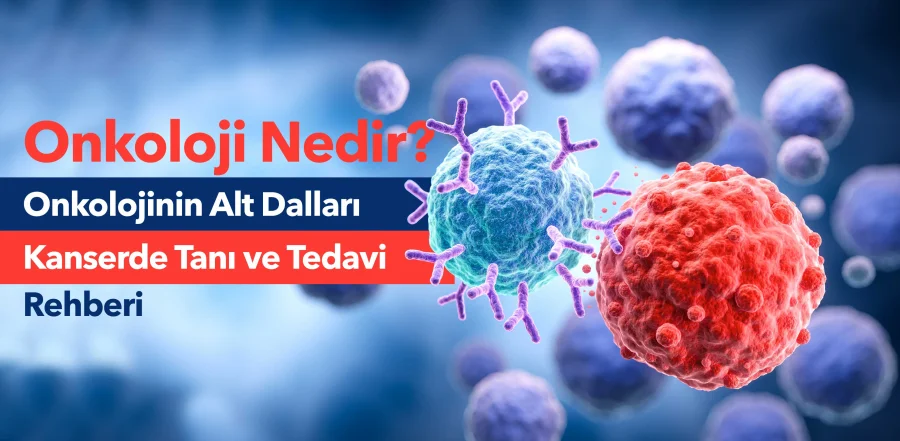
What Is Oncology? Subspecialties, Cancer Diagnosis and Treatment Guide
What Is Oncology? A Comprehensive Guide to Cancer Diagnosis, Treatment and Care
SEO Title: What Is Oncology? Cancer Diagnosis and Treatment Guide
Meta Description: Learn what oncology is, how cancer is diagnosed and staged, the main treatment options, cancer screening programmes and the latest developments in cancer care.
Introduction
Oncology is the branch of medicine that studies the causes, diagnosis, treatment, follow-up and prevention of cancer. The word originates from the Greek onkos, meaning “mass” or “swelling”, and logos, meaning “science” or “study”. A physician who specialises in the diagnosis and treatment of cancer is called an oncologist.
Today, oncology is not a single speciality but a broad discipline in which professionals from different medical fields work together. Medical oncologists manage drug treatments, radiation oncologists plan radiotherapy, surgical oncologists remove tumours, and pathologists examine tissue samples to establish a diagnosis. These specialists collaborate to determine the most appropriate treatment plan for each patient. Over the past two decades, targeted therapies, immunotherapy and genetic testing have transformed cancer care, moving it away from a “one treatment fits all” approach towards treatment tailored to the patient and the tumour.
This guide explains the meaning and history of oncology, how cancer develops at the cellular level, the different oncology subspecialties, the role of an oncologist, the diagnostic and staging process, current treatment methods, cancer screening programmes in Türkiye and recent developments in oncology.
Key Facts About Oncology
-
Definition: The medical field concerned with cancer prevention, diagnosis, treatment and follow-up.
-
Specialist: Oncologist.
-
Main subspecialties: Medical oncology, radiation oncology, surgical oncology, gynaecological oncology, paediatric oncology and haematology.
-
Main treatment methods: Surgery, radiotherapy, chemotherapy, targeted therapy, immunotherapy, hormone therapy and stem cell transplantation.
-
Method used to establish a definitive diagnosis: Pathological examination of tissue obtained through a biopsy.
-
Approach to care: A multidisciplinary model in which specialists collaborate on treatment decisions, often through a tumour board.
Contents
-
What Is Oncology? Definition and Scope
-
A Brief History of Oncology
-
What Is Cancer? What Happens at the Cellular Level?
-
How Are Cancer Types Classified?
-
Subspecialties of Oncology
-
Who Is an Oncologist and What Do They Do?
-
Cancer in Türkiye and Worldwide
-
Cancer Risk Factors
-
Which Symptoms Require Medical Attention?
-
Early Diagnosis and Cancer Screening
-
How Is Cancer Diagnosed?
-
Cancer Staging
-
Cancer Treatment Methods
-
Tumour Boards and the Multidisciplinary Approach
-
Personalised Oncology
-
Supportive and Palliative Care
-
Remission, Recurrence and Survival
-
Recent Developments in Oncology
-
Common Misconceptions About Cancer
-
Frequently Asked Questions
What Is Oncology? Definition and Scope
The word oncology comes from the Greek words onkos (mass, burden or swelling) and logos (science or study). Literally, it means “the study of tumours”. In medicine, it refers to the speciality that encompasses the various stages of cancer care:
-
Prevention: Lifestyle changes, vaccinations and risk assessments that can help reduce cancer risk.
-
Screening and early diagnosis: Detecting cancer or precancerous lesions before symptoms develop.
-
Diagnosis and staging: Identifying the cancer type, its biological characteristics and the extent to which it has spread.
-
Treatment: Planning and delivering surgery, radiotherapy and drug treatments.
-
Supportive care: Managing side effects, pain, nutritional difficulties and psychological concerns.
-
Follow-up: Monitoring for recurrence and long-term effects of treatment.
-
Research: Developing new diagnostic and treatment methods through clinical studies.
Are Oncology and Cancer the Same Thing?
No. Cancer is the name given to a group of diseases, whereas oncology is the medical and scientific field that studies and treats them. In everyday language, the term “oncology patient” is commonly used for someone receiving cancer treatment. Oncology primarily focuses on malignant tumours, but in certain circumstances it may also be involved in evaluating benign tumours and precancerous lesions.
A Brief History of Oncology
Cancer has affected humans throughout recorded history. Ancient Egyptian papyri describe breast tumours, while Hippocrates used the Greek word karkinos, meaning “crab”, to describe tumours with blood vessels extending around them. The English word “cancer” comes from the Latin word for crab. Modern oncology, however, has developed mainly over the past 150 years.
| Period |
Development |
| Ancient times |
Tumours described in Egyptian papyri; Hippocrates introduces the term karkinos. |
| 19th century |
Advances in microscopy help establish the cellular origin of cancer. Anaesthesia and antiseptic techniques support the development of cancer surgery. |
| Late 1890s |
The discovery of X-rays and radioactivity leads to the use of radiation in cancer treatment. |
| 1940s |
Early chemotherapy drugs are used to treat lymphoma and leukaemia. |
| 1970s–1990s |
Combination chemotherapy, hormone therapy for breast cancer and breast-conserving surgical approaches become more widely used. |
| Late 1990s–2000s |
The first targeted therapies enter clinical practice, including treatments targeting HER2 in breast cancer and BCR-ABL in chronic myeloid leukaemia. |
| 2010s |
Immunotherapy advances with immune checkpoint inhibitors, and CAR-T cell therapies receive approval. The 2018 Nobel Prize in Physiology or Medicine recognises research that helped establish immune checkpoint inhibition as a cancer treatment approach. |
| Today |
Personalised treatments based on molecular profiling, antibody–drug conjugates, liquid biopsy and artificial intelligence-assisted diagnostic methods continue to develop. |
What Is Cancer? What Happens at the Cellular Level?
The human body consists of trillions of cells. Genes provide instructions that regulate when cells divide, when they stop dividing and when they should die. Cancer develops when these control mechanisms become disrupted, allowing cells to multiply uncontrollably and potentially invade surrounding tissues or spread to distant organs.
How Does Cancer Begin?
Cancer begins with changes, known as mutations, in a cell’s DNA. Some changes are inherited, while others develop during a person’s lifetime. They may result from factors such as tobacco smoke, ultraviolet radiation, certain viruses, chemicals or errors that accumulate as cells age.
Two groups of genes are particularly important:
-
Oncogenes: These genes normally help regulate cell growth. When altered, they may send continuous signals that encourage cells to divide.
-
Tumour suppressor genes: These genes normally help stop the division of damaged cells or direct them to undergo cell death. When their function is lost, these protective mechanisms may no longer work properly.
A single mutation usually does not cause cancer on its own. Multiple changes often accumulate over many years. This is one of the reasons cancer risk generally increases with age.
How Cancer Cells Differ from Normal Cells
Cancer cells may develop the ability to:
-
Continue dividing without normal growth signals.
-
Ignore signals that would usually stop cell division.
-
Avoid programmed cell death, known as apoptosis.
-
Continue dividing beyond the usual limits of normal cells.
-
Stimulate the formation of new blood vessels to supply nutrients, a process called angiogenesis.
-
Invade surrounding tissues and spread to distant organs through the blood or lymphatic system, a process known as metastasis.
-
Evade recognition or destruction by the immune system.
What Is the Difference Between Benign and Malignant Tumours?
| Feature |
Benign tumour |
Malignant tumour (cancer) |
| Growth rate |
Often slow |
May be rapid |
| Borders |
Usually well-defined and sometimes encapsulated |
May be irregular and invade surrounding tissues |
| Spread to other organs |
Does not metastasise |
May metastasise |
| Recurrence after treatment |
Often uncommon after complete removal, depending on the tumour |
May recur |
| Examples |
Lipoma, uterine fibroid, fibroadenoma |
Breast cancer, lung cancer, lymphoma |
Benign tumours can also cause serious problems depending on their location. For example, a benign tumour in the brain may require treatment because of the pressure it places on surrounding structures.
How Are Cancer Types Classified?
Cancers are often named after the organ in which they begin, such as breast cancer or lung cancer. However, medical classification also depends on the type of cell from which the cancer develops.
| Cancer group |
Tissue of origin |
Examples |
| Carcinoma |
Epithelial cells that line the surfaces and inner linings of organs |
Breast, lung, colorectal, prostate and stomach cancers |
| Sarcoma |
Bone, muscle, fat, cartilage and connective tissue |
Osteosarcoma, liposarcoma and soft-tissue sarcomas |
| Leukaemia |
Blood-forming cells in the bone marrow |
Acute and chronic leukaemias |
| Lymphoma |
Cells of the lymphatic system, particularly lymphocytes |
Hodgkin lymphoma and non-Hodgkin lymphoma |
| Multiple myeloma |
Plasma cells in the bone marrow |
Multiple myeloma |
| Central nervous system tumours |
Cells of the brain and spinal cord |
Gliomas |
| Melanoma |
Melanocytes, the cells that produce pigment |
Skin melanoma and ocular melanoma |
| Germ cell tumours |
Reproductive cells |
Most testicular cancers and some ovarian tumours |
Even cancers that originate in the same organ can behave very differently. Breast cancer, for example, includes hormone receptor-positive, HER2-positive and triple-negative subtypes, each of which may require a different treatment approach. For this reason, modern oncology considers not only the organ where the cancer began but also the tumour’s biological characteristics.
Subspecialties of Oncology
Cancer care requires a range of skills, which is why oncology has developed into several subspecialties. A patient’s treatment may involve professionals from more than one of these fields.
| Subspecialty |
Main responsibilities |
| Medical oncology |
Plans and manages drug treatments, including chemotherapy, targeted therapy, immunotherapy and hormone therapy. Medical oncologists often coordinate the overall treatment process. |
| Radiation oncology |
Plans and delivers radiotherapy, which uses high-energy radiation to damage cancer cells. |
| Surgical oncology |
Performs operations to remove tumours and, when necessary, nearby lymph nodes. Surgical oncologists may also perform diagnostic biopsies and staging procedures. |
| Gynaecological oncology |
Focuses on the diagnosis and surgical treatment of cancers of the ovaries, uterus, cervix, vagina and external genital organs. |
| Paediatric oncology |
Diagnoses and treats childhood cancers, which can differ significantly from adult cancers in type and response to treatment. |
| Haematology and haemato-oncology |
Manages blood and bone marrow cancers such as leukaemia, lymphoma and multiple myeloma, including stem cell transplantation when appropriate. |
| Orthopaedic oncology |
Treats bone and soft-tissue tumours, including through surgery. |
| Psycho-oncology |
Addresses the psychological and social effects of cancer on patients and their families. |
| Palliative care |
Aims to relieve pain and other symptoms and support quality of life at any stage of illness. |
Other Specialties Involved in Cancer Care
-
Pathology: Examines biopsy and surgical specimens under a microscope to establish the diagnosis and identify the tumour subtype and biological characteristics.
-
Radiology: Uses imaging to assess the location, size and spread of a tumour and may guide biopsies.
-
Nuclear medicine: Contributes to diagnosis and assessment through techniques such as PET-CT and scintigraphy. Radioactive medicines are also used to treat certain cancers.
-
Medical genetics: Assesses inherited cancer risk and provides genetic counselling.
-
Oncology nursing, clinical pharmacy and dietetics: Play important roles in delivering treatment safely and supporting patients throughout their care.
Who Is an Oncologist and What Do They Do?
An oncologist is a physician who specialises in the diagnosis and treatment of cancer. In everyday usage, the term often refers specifically to a medical oncologist. In Türkiye, becoming a medical oncology specialist involves completing six years of medical school, four years of internal medicine specialty training and a further three years of medical oncology subspecialty training.
Main Responsibilities of a Medical Oncologist
A medical oncologist may:
-
Review the cancer diagnosis alongside pathology and imaging results.
-
Arrange investigations needed to establish the stage of the disease.
-
Develop a treatment strategy with other specialists.
-
Plan and manage chemotherapy, targeted therapy, immunotherapy and hormone therapy.
-
Prevent and manage treatment-related side effects.
-
Monitor the response to treatment and adjust the plan when necessary.
-
Provide follow-up care after treatment.
-
Explain the disease and available treatment options to patients and their families.
When Should Someone See an Oncologist?
Most patients are referred to an oncologist after a cancer diagnosis or when there is a strong suspicion of cancer. For example, a woman who notices a breast lump may first be assessed by a general surgeon or breast surgeon. If a biopsy confirms breast cancer, a medical oncologist may then become involved in treatment planning.
People with a strong family history of cancer or suspected inherited cancer risk may also be referred for risk assessment and genetic counselling.
Cancer in Türkiye and Worldwide
Cancer is one of the leading causes of death worldwide. According to the World Health Organization, approximately 10 million people died from cancer in 2024, accounting for around one in six deaths. Lung, breast, colorectal and prostate cancers are among the most commonly diagnosed cancers worldwide.
According to the International Agency for Research on Cancer’s GLOBOCAN estimates cited in the source material, Türkiye records approximately 236,000 new cancer diagnoses and around 114,000 cancer-related deaths annually. These figures should be checked against the latest official dataset before publication.
Common Cancer Types in Türkiye
| Rank |
Most common cancers in men |
Most common cancers in women |
| 1 |
Lung cancer |
Breast cancer |
| 2 |
Prostate cancer |
Thyroid cancer |
| 3 |
Colorectal cancer |
Colorectal cancer |
| 4 |
Bladder cancer |
Endometrial cancer |
| 5 |
Stomach cancer |
Lung cancer |
Lung cancer is a leading cause of cancer-related death in Türkiye, followed by colorectal, stomach, pancreatic and breast cancers. The substantial burden of lung cancer highlights the importance of tobacco prevention and smoking cessation.
Cancer Risk Factors
Cancer does not usually develop because of a single cause. Genetic susceptibility, environmental exposures and lifestyle factors can all play a role. According to the World Health Organization, approximately 38% of cancers may be preventable by reducing exposure to known, modifiable risk factors.
| Modifiable risk factors |
Non-modifiable or less readily modifiable risk factors |
| Smoking and other tobacco use |
Increasing age |
| Alcohol consumption |
Inherited genetic mutations, such as BRCA1/BRCA2 mutations and those associated with Lynch syndrome |
| Excess weight and obesity |
Family history of cancer |
| Physical inactivity |
Sex and certain hormonal factors |
| A diet low in fruit and vegetables and high in processed meat |
Previous cancer or radiotherapy |
| Cancer-associated infections, including HPV, hepatitis B and hepatitis C, and Helicobacter pylori |
Certain chronic conditions, such as long-standing inflammatory bowel disease |
| Ultraviolet radiation from sunlight and tanning beds |
Conditions that suppress the immune system, including some post-transplant situations and HIV infection |
| Air pollution, radon, asbestos and occupational chemicals |
Certain breast cancer risk factors, including early menstruation, late menopause and dense breast tissue |
Only a minority of cancers, estimated at approximately 5–10%, are directly associated with inherited genetic changes. Most arise from genetic alterations that accumulate during a person’s lifetime. Worldwide, a proportion of cancers is also associated with infections such as HPV, hepatitis viruses and H. pylori. Some of these infection-related cancers can be prevented through vaccination, screening or appropriate treatment.
Which Symptoms Require Medical Attention?
Cancer can cause different symptoms depending on where it begins, and it may not cause noticeable symptoms in its early stages. The symptoms listed below can also occur in conditions that are not cancer. However, unexplained symptoms that persist for two to three weeks or longer should be assessed by a healthcare professional.
-
Unexplained, unintentional weight loss.
-
Persistent fatigue, night sweats or fever without a clear cause.
-
A new lump or swelling, particularly in the breast, neck, armpit or groin.
-
A cough, hoarseness or blood-stained sputum that persists for more than three weeks.
-
Persistent changes in bowel habits, blood in the stool or black stools.
-
Blood in the urine or difficulty urinating.
-
Difficulty swallowing or persistent indigestion.
-
Vaginal bleeding between periods or after menopause.
-
A wound that does not heal or persistent white or red patches inside the mouth.
-
Changes in the shape, colour or size of a mole or skin lesion.
-
Persistent or worsening pain, particularly pain that occurs at night.
-
Nipple inversion or discharge, or a change in the breast skin resembling orange peel.
These symptoms do not necessarily indicate cancer. Their cause can only be assessed through appropriate medical evaluation.
Early Diagnosis and Cancer Screening
Two concepts are often confused in oncology:
-
Early diagnosis: Recognising and evaluating a cancer that has begun to cause symptoms without unnecessary delay. Recognising warning signs and seeking timely medical assessment are important parts of early diagnosis.
-
Screening: Testing people who have no symptoms but belong to a particular age or risk group to look for cancer or precancerous changes. Screening aims to identify disease at a stage when treatment may be more effective.
National Cancer Screening Programmes in Türkiye
Türkiye’s Ministry of Health runs national screening programmes for three cancers. Screening services are available free of charge through Cancer Early Diagnosis, Screening and Education Centres (KETEM), family health centres and healthy living centres.
| Cancer |
Target group |
Test |
Frequency |
| Breast cancer |
Women aged 40–69 |
Mammography |
Every two years |
| Cervical cancer |
Women aged 30–65 |
HPV DNA test |
Every five years |
| Colorectal cancer |
Women and men aged 50–70 |
Faecal occult blood test; colonoscopy when indicated |
Faecal occult blood testing every two years |
People with a family history of cancer, an inherited predisposition or previously identified precancerous lesions may need to begin screening earlier or undergo more frequent assessments. International guidelines also recommend low-dose computed tomography for certain people at elevated risk of lung cancer because of their age and smoking history. The potential benefits and limitations of prostate-specific antigen (PSA) testing should be discussed with a healthcare professional.
If symptoms are present, do not wait for the next screening appointment. Screening programmes are designed for people without symptoms. Anyone experiencing concerning symptoms should seek an appropriate medical assessment.
How Is Cancer Diagnosed?
Cancer diagnosis usually involves several steps. Imaging and blood tests can help identify or investigate a suspicion of cancer, but a definitive diagnosis is generally established through pathological examination of a sample taken from the suspected tissue.
1. Medical History and Physical Examination
The physician asks about the onset and duration of symptoms, weight changes, tobacco and alcohol use, occupation and environmental exposures, medications and family history of cancer. A physical examination is then performed.
2. Laboratory Tests and Tumour Markers
A complete blood count and tests of liver and kidney function can help assess a patient’s general condition and identify possible organ involvement.
Tumour markers, such as PSA, CEA, CA-125, CA 15-3, CA 19-9 and AFP, may help with the diagnosis or monitoring of certain cancers. However, tumour markers cannot establish a cancer diagnosis on their own. They may be elevated in non-cancerous conditions and can remain normal in people who have cancer. For this reason, they are not recommended as general screening tests for cancer.
3. Imaging Methods
| Method |
Use in oncology |
| Ultrasound |
Evaluates lumps in abdominal organs, the thyroid, breast, lymph nodes and soft tissues; can guide biopsies |
| Mammography |
Breast cancer screening and diagnostic assessment |
| Computed tomography (CT) |
Detailed examination of the chest, abdomen and pelvis; staging and monitoring response to treatment |
| Magnetic resonance imaging (MRI) |
Detailed assessment of the brain, spinal cord, liver, prostate, uterus and soft tissues |
| PET-CT |
Assesses metabolic activity to help evaluate disease spread and response to treatment |
| Bone scintigraphy |
Investigates whether cancer may have spread to the bones |
4. Endoscopic Examinations
Procedures such as gastroscopy, colonoscopy, bronchoscopy and cystoscopy allow physicians to examine the digestive tract, airways or bladder directly. Biopsy samples can be taken from suspicious areas during the same procedure.
5. Biopsy and Pathological Examination
A biopsy involves taking a small sample of suspicious tissue. It may be performed using a needle, during an endoscopic procedure or through surgery. A pathologist examines the sample under a microscope to determine:
-
Whether the tissue contains cancer.
-
The type of cell from which the cancer originated.
-
How abnormal or aggressive the tumour cells appear.
-
Which tumour characteristics may guide treatment, such as hormone receptor status, HER2 or PD-L1.
6. Molecular and Genetic Testing
Molecular tests performed on tumour tissue or blood can identify genetic changes that help cancer cells grow. For example, identifying changes such as EGFR, ALK or ROS1 in lung cancer may help determine whether a targeted medicine is appropriate.
Genetic testing using a blood sample may also be performed to assess a person’s inherited risk of developing certain cancers. The need for these tests depends on the clinical situation and should be evaluated by the treating team.
Cancer Staging
Staging determines how far cancer has spread in the body. It is an important factor in treatment planning and in estimating the likely course of the disease. The TNM classification is widely used for solid tumours.
| Letter |
Meaning |
What is assessed? |
| T — Tumour |
Primary tumour |
The size of the tumour and how far it has grown into nearby tissues |
| N — Nodes |
Regional lymph nodes |
Whether nearby lymph nodes are involved and how many are affected |
| M — Metastasis |
Distant spread |
Whether cancer has spread to distant organs, such as the liver, lungs, bones or brain |
The TNM findings are combined to determine the overall stage.
| Stage |
General meaning |
| Stage 0 |
In situ cancer: abnormal cells remain confined to the layer where they began and have not invaded surrounding tissues |
| Stage I |
A small tumour generally confined to the organ where it originated |
| Stages II–III |
A larger tumour and/or spread to nearby tissues or regional lymph nodes |
| Stage IV |
Cancer that has spread to distant organs, also known as metastatic cancer |
The precise definition of each stage differs by cancer type. Blood cancers such as leukaemia and some brain tumours use different classification systems. In addition to stage, the tumour’s grade, which describes how abnormal or aggressive the cells appear under a microscope, may also influence treatment planning.
Cancer Treatment Methods
Cancer treatment is planned according to the tumour type, stage and biological characteristics, as well as the patient’s age, general health and preferences. Many patients receive more than one treatment, either together or in sequence.
Surgery
Surgery involves removing a tumour, often together with a margin of surrounding tissue and, when necessary, regional lymph nodes. It is frequently a central part of treatment for early-stage solid tumours. Minimally invasive techniques, including laparoscopic and robotic surgery, may be suitable for selected patients, depending on the tumour, the procedure and the available clinical expertise.
Radiotherapy
Radiotherapy uses high-energy radiation to damage the DNA of cancer cells and prevent them from surviving or multiplying. It may be used alone, before or after surgery, or alongside chemotherapy. Modern techniques aim to direct radiation towards the tumour while limiting exposure to surrounding healthy tissue. Radiotherapy may also be used to relieve symptoms such as pain or bleeding.
Chemotherapy
Chemotherapy uses medicines that target rapidly dividing cells. Because these medicines travel through the bloodstream, they can affect cancer cells in different parts of the body, including cells that may have spread beyond the original tumour.
Treatment is often administered in cycles at planned intervals. Chemotherapy can also affect some healthy cells that divide rapidly, including hair follicles, bone marrow and the lining of the digestive tract. As a result, side effects such as hair loss, nausea and reduced blood cell counts may occur. The type and severity of side effects vary considerably depending on the medicine and the individual patient.
Targeted Therapy (“Smart Drugs”)
Targeted therapies act on specific molecules or genetic changes that help cancer cells grow. Testing must usually confirm that the relevant target is present before a targeted medicine can be selected.
For example, targeted medicines play an important role in the treatment of HER2-positive breast cancer and certain lung cancers with EGFR mutations.
Immunotherapy
Immunotherapy helps the immune system recognise and attack cancer cells. One widely used group, known as immune checkpoint inhibitors, blocks signals that cancer cells may use to suppress immune responses.
Immunotherapy has changed treatment options for several cancers, including melanoma, lung cancer and kidney cancer. Because it can overstimulate the immune system, it may cause inflammatory side effects affecting different organs and requires appropriate monitoring.
Hormone Therapy
Hormone therapy is used for certain cancers whose growth is influenced by hormones, including some breast and prostate cancers. It aims to slow or stop tumour growth by reducing hormone production or blocking the effects of hormones. Treatment may continue for an extended period, sometimes for several years.
Stem Cell (Bone Marrow) Transplantation
Stem cell transplantation may be used in the treatment of blood cancers such as leukaemia, lymphoma and multiple myeloma. It helps restore blood-forming cells after intensive treatment when indicated.
The transplant may use the patient’s own stem cells, known as an autologous transplant, or stem cells from a suitable donor, known as an allogeneic transplant.
Comparison of Cancer Treatment Methods
| Method |
Main area of effect |
Specialist involved |
| Surgery |
Local or regional |
Surgeon or surgical oncologist |
| Radiotherapy |
Local or regional |
Radiation oncologist |
| Chemotherapy |
Systemic — throughout the body |
Medical oncologist or haematologist |
| Targeted therapy |
Systemic, directed at a specific molecular target |
Medical oncologist or haematologist |
| Immunotherapy |
Systemic, working through the immune system |
Medical oncologist or haematologist |
| Hormone therapy |
Systemic, for hormone-sensitive tumours |
Medical oncologist or urologist |
| Stem cell transplantation |
Blood-forming system and bone marrow |
Haematologist |
Treatment Terms Based on the Intended Goal
| Term |
Meaning |
| Curative treatment |
Treatment intended to eliminate the disease |
| Neoadjuvant treatment |
Treatment given before surgery to shrink the tumour or make surgery easier |
| Adjuvant treatment |
Treatment given after surgery to reduce the risk of recurrence from residual microscopic disease |
| Maintenance treatment |
Ongoing treatment intended to maintain the response achieved |
| Palliative treatment |
Treatment intended to control disease, relieve symptoms and improve quality of life |
Tumour Boards and the Multidisciplinary Approach
One of the fundamental principles of modern oncology is that treatment decisions should be made collaboratively by a team of specialists rather than by a single physician alone. These meetings are commonly known as tumour boards or multidisciplinary tumour meetings.
A tumour board generally includes a medical oncologist, radiation oncologist, relevant surgical specialist, radiologist, pathologist and nuclear medicine specialist. Medical geneticists, palliative care professionals and other specialists may participate when needed.
The team reviews the patient’s investigations and discusses questions such as:
-
Is the diagnosis and staging complete, or are further tests needed?
-
Which treatment options should be considered?
-
In what order should treatments be given — for example, surgery first or drug treatment first?
-
Is there a suitable clinical trial for the patient?
This approach brings together different areas of expertise to support the development of an appropriate treatment plan for each patient.
Personalised (Precision) Oncology
Personalised oncology involves selecting treatment based not only on the organ where the cancer began but also on the tumour’s genetic and molecular characteristics. Two cancers originating in the same organ may require different medicines if they have different genetic changes.
Examples include:
| Biomarker |
Cancer examples |
Potential impact on treatment |
| Hormone receptors (ER and PR) |
Breast cancer |
Helps determine whether hormone therapy may be beneficial |
| HER2 |
Breast and stomach cancer |
Helps guide the use of HER2-targeted medicines |
| EGFR, ALK, ROS1 and other driver mutations |
Lung cancer |
May indicate eligibility for medicines targeting these changes |
| BRCA1/BRCA2 |
Breast, ovarian, prostate and pancreatic cancers |
May guide the use of certain targeted medicines and inform family risk assessment |
| Microsatellite instability (MSI) or mismatch repair deficiency |
Colorectal, endometrial and other cancers |
May provide information about the likelihood of response to immunotherapy and indicate the need to assess for Lynch syndrome |
| PD-L1 |
Lung cancer and other cancers |
May help guide immunotherapy decisions in certain settings |
Not every patient needs every molecular test. The appropriate tests depend on the cancer type, stage and clinical circumstances.
Supportive Care and Palliative Care
Oncology is not limited to treating the tumour. Preserving a patient’s quality of life throughout treatment is also an important part of cancer care.
Managing Side Effects
Side effects such as nausea, vomiting, infection risk, anaemia, mouth sores, numbness in the hands or feet and fatigue may be reduced through preventive measures and appropriate management before and during treatment. Modern anti-nausea medicines have made severe chemotherapy-related nausea less common than in the past.
Nutritional Support
Cancer and its treatment can affect appetite, taste and body weight. Preventing muscle loss and nutritional deficiencies can help patients maintain strength during treatment. A nutrition plan may be developed in consultation with a dietitian.
Restrictive diets intended to “starve” cancer are not scientifically supported and may cause harm by accelerating weight loss and malnutrition.
Psycho-oncology
A cancer diagnosis can lead to anxiety, fear, depression and uncertainty. Psychological support can help patients and their families cope with these challenges and may support adherence to the treatment plan.
Fertility Preservation
Some cancer treatments can have lasting effects on fertility. Younger patients who may wish to have children in the future should discuss fertility-preservation options with their healthcare team before treatment begins. Depending on the circumstances, options may include freezing eggs, sperm or embryos.
Palliative Care
Palliative care is not limited to the final stage of life. It can be provided at any stage of illness, alongside active cancer treatment.
Its aims include controlling pain, breathlessness, nausea and other symptoms while providing psychological, social and spiritual support to patients and their families. According to the World Health Organization, appropriate palliative care can relieve physical, psychosocial and spiritual suffering in many people with advanced cancer.
Remission, Recurrence and Survival
Some terms commonly used during cancer care may be confusing for patients.
| Term |
Meaning |
| Complete remission (complete response) |
No evidence of cancer can be detected using the assessments performed |
| Partial remission (partial response) |
The tumour has reduced substantially but has not disappeared completely |
| Stable disease |
The tumour has neither significantly shrunk nor grown |
| Progression |
The disease has grown or spread despite treatment |
| Recurrence |
Cancer returns after a period of remission |
| Metastasis |
Cancer spreads from the organ where it began to a distant site |
| Five-year survival rate |
The proportion of patients who are alive five years after diagnosis; it is a statistical measure, not a prediction of an individual’s lifespan |
Many cancers can be treated successfully when detected at an early stage. Some advanced cancers can also be controlled for many years with newer treatments and may be managed as long-term conditions.
Recent Developments in Oncology
-
Antibody–drug conjugates: These treatments attach a cancer-targeting antibody to a drug, helping deliver the medicine to tumour cells. Their use is expanding across several cancers, including breast cancer.
-
CAR-T cell therapy: A patient’s immune cells are modified in a laboratory so they can recognise and attack cancer cells. This approach is used for certain types of leukaemia, lymphoma and multiple myeloma.
-
Liquid biopsy: This method analyses tumour-derived DNA circulating in the blood. In certain circumstances, it can provide additional information to guide treatment selection and monitoring.
-
Personalised cancer vaccines: Therapeutic vaccines designed to target changes specific to an individual’s tumour are being evaluated in clinical research.
-
Artificial intelligence: AI tools are being developed to assist clinicians in assessing pathology slides, radiological images and screening results.
-
Precision radiotherapy: Techniques that direct radiation more accurately towards a tumour aim to improve treatment delivery while reducing damage to surrounding healthy tissues.
Many of these developments are still being evaluated through clinical research. For eligible patients, participation in a clinical trial may provide access to investigational treatments.
Common Misconceptions About Cancer
| Misconception |
The facts |
| “A biopsy spreads cancer.” |
Cancer cell seeding related to a biopsy is extremely rare. When performed using appropriate techniques, the diagnostic benefits of biopsy greatly outweigh this very small risk. Biopsy is essential for selecting the appropriate treatment in many cases. |
| “Cancer is contagious.” |
Cancer itself is not contagious. However, certain infections associated with cancer, including HPV and hepatitis B, can be transmitted. Vaccines are available against some of these infections. |
| “Eating sugar makes cancer grow.” |
Cancer cells use glucose for energy, as normal cells do. Eliminating sugar does not shrink cancer. Excessive sugar intake may indirectly increase cancer risk by contributing to obesity. |
| “Normal tumour marker results mean there is no cancer.” |
Tumour markers can remain normal in many people with cancer and cannot reliably rule cancer out on their own. |
| “Herbal products cure cancer.” |
No herbal product has been proven to cure cancer. Some herbal products can interact with chemotherapy and other medicines and may interfere with treatment. Always consult the treating healthcare professional before using them. |
| “A cancer diagnosis means death.” |
Many cancers detected at an early stage can be treated successfully, and some advanced cancers can be controlled for years. |
| “Chemotherapy is the same for everyone and causes the same side effects.” |
Chemotherapy medicines and doses are tailored to the individual. The type and severity of side effects vary considerably from person to person. |
Frequently Asked Questions About Oncology
What does oncology mean?
Oncology is the branch of medicine concerned with the prevention, diagnosis, treatment and follow-up of cancer. The term derives from the Greek words onkos, meaning “mass”, and logos, meaning “study” or “science”.
What does an oncologist do?
An oncologist helps develop treatment plans for people diagnosed with cancer, manages cancer medicines, monitors side effects and provides follow-up care. Oncologists work with surgeons, radiation oncologists and other specialists throughout the treatment process.
What is the difference between oncology and haematology?
Medical oncology primarily manages drug treatment for solid tumours, such as breast, lung and colorectal cancers. Haematology focuses on blood disorders, including leukaemia, lymphoma and multiple myeloma, as well as non-cancerous conditions such as anaemia and clotting disorders. Depending on the healthcare centre, lymphoma care may involve both specialties.
Are medical oncology and radiation oncology the same?
No. Medical oncology manages cancer treatment using medicines, whereas radiation oncology plans and delivers radiotherapy. The two specialties frequently work together as part of a patient’s treatment plan.
Can I visit an oncology department without a referral?
At private hospitals, patients may be able to contact an oncology department directly. However, many patients are referred after a cancer diagnosis or when there is a strong suspicion of cancer. If you have a symptom that concerns you, an assessment by the relevant specialist may help guide the next steps. For example, a breast lump may initially be assessed by a general or breast surgeon, while coughing up blood may require assessment by a respiratory specialist.
Does visiting an oncology department mean I have cancer?
Not necessarily. People may be referred to oncology for the assessment of suspected cancer, counselling about inherited risk, follow-up of a lump believed to be benign or monitoring after previous cancer treatment.
Can cancer be cured completely?
This depends on the cancer type, stage and biological characteristics. Many cancers detected at an early stage can be treated successfully. In advanced disease, treatment may focus on controlling the cancer for as long as possible while preserving quality of life. Early diagnosis is therefore important.
Is cancer hereditary?
Only a minority of cancers, estimated at approximately 5–10%, are directly associated with inherited genetic changes. Cancer at a young age in a family member, several relatives with the same type of cancer, or multiple cancers in one person may suggest an inherited predisposition. Genetic counselling may be appropriate in these circumstances.
Is it possible to prevent cancer?
It is not possible to eliminate cancer risk entirely, but it can be reduced. Avoiding tobacco and alcohol, maintaining a healthy weight, exercising regularly, eating a balanced diet rich in fruit and vegetables, protecting the skin from excessive ultraviolet radiation, receiving HPV and hepatitis B vaccinations when appropriate, and participating in recommended screening programmes can all help reduce risk.
Does every cancer patient need chemotherapy?
No. Some cancers can be treated with surgery alone, while others may be treated with radiotherapy. In certain cases, targeted therapy, immunotherapy or hormone therapy may be used instead of or alongside chemotherapy. Treatment is selected according to the cancer type, stage and biological characteristics.
What is a “smart drug”?
“Smart drug” is a commonly used term for targeted therapy. These medicines act on specific molecules that help cancer cells grow. Testing is generally required to establish whether the relevant target is present, so targeted medicines are not suitable for every patient.
What is immunotherapy? Can everyone receive it?
Immunotherapy helps the immune system recognise and attack cancer cells. It is used for several cancers, including melanoma and certain lung, kidney and bladder cancers. However, it is not effective or appropriate for every cancer type or every patient. Suitability depends on the tumour’s characteristics and the patient’s overall condition.
This content has been prepared for general informational purposes only and does not replace medical diagnosis or treatment. Please consult a healthcare professional or healthcare facility for an assessment of your symptoms and an appropriate treatment plan.
Emsey Medical Editorial Board